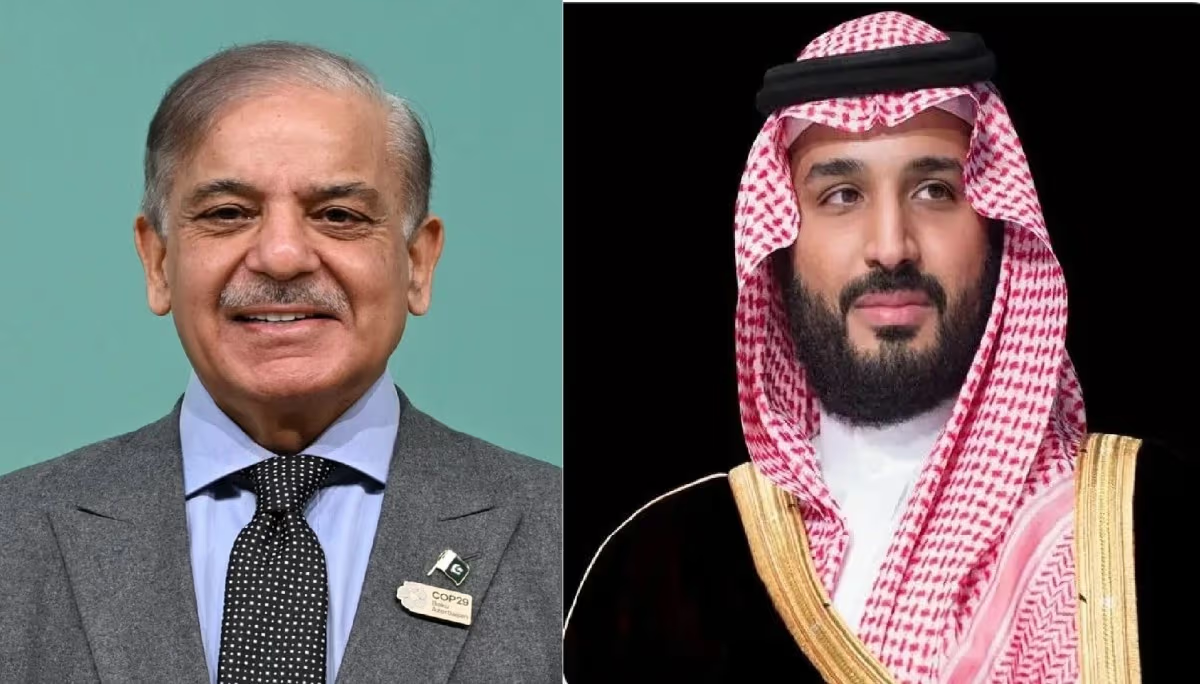
Islamabad, Pakistan – Pakistani Prime Minister Shehbaz Sharif held an extensive telephone conversation with Saudi Crown Prince Mohammed bin Salman. During the call, he expressed his strongest condemnation of the Houthi terrorist attacks on Saudi oil tankers in the Red Sea.
During the call, Sharif emphasized that such reprehensible acts of aggression constitute a flagrant violation of international law. They also pose a direct threat to freedom of international navigation and seriously undermine regional peace and stability. He added, “I reaffirmed Pakistan’s complete solidarity with our brotherly Kingdom of Saudi Arabia, and I stressed that I, along with Field Marshal Syed Asim Munir and the entire Pakistani people, stand firmly and resolutely with the Saudi leadership and the brotherly people of the Kingdom at this critical time.”
Joint coordination to ensure the security of navigation and international trade
The Pakistani Prime Minister noted that both sides agreed on the importance of continued joint coordination. He said it is important to work very closely to maintain regional security and stability. This includes ensuring the continued flow of legitimate and safe maritime trade through the Red Sea, the Strait of Hormuz, and the wider region.
Details of the Houthi attack and allegations of naval escalation
This contact comes after the Houthi group announced on Wednesday that it had carried out what it called a “qualitative military operation” targeting two Saudi oil tankers in the Red Sea, named ENCELIA and LAYLA. The group’s military spokesman stated that the attack was carried out using an arsenal that included ballistic and cruise missiles and drones. Additionally, he claimed that the strikes achieved direct hits and caused large fires on board the two targeted vessels.
The Houthi spokesperson also claimed that the group had forced approximately ten commercial vessels to turn back during its recent operations. He affirmed the continuation of naval operations and the group’s commitment to imposing what he termed a “blockade for blockade” strategy. This comes amid escalating international concerns about the impact of these attacks on global maritime security and the stability of international energy supplies.