London, United Kingdom – Global oil prices stabilized on Monday, relinquishing a portion of their earlier intraday gains as renewed hopes for diplomatic negotiations between the United States and Iran helped temper concerns over prolonged energy supply disruptions. However, lingering tensions and shipping slowdowns in the Strait of Hormuz continued to lend baseline support to crude benchmarks.
Ceasefire Proposal Pressures Crude Futures
The retreat in oil prices followed reports from an Iranian official citing a mediator proposal delivered to Tehran for a 10-day ceasefire with the United States. The proposed pause aims to clear a path toward reviving the temporary accord established last month.
The retreat in oil prices followed reports from an Iranian official citing a mediator proposal delivered to Tehran for a 10-day ceasefire with the United States. The proposed pause aims to clear a path toward reviving the temporary accord established last month.
Strait of Hormuz Transit Slowdown Keeps Markets Alert
Chrispus Nyaga, research analyst at Empire FX, noted that renewed chatter surrounding diplomatic dialogue between Washington and Tehran capped crude’s upward momentum. However, he emphasized that ongoing reductions in vessel traffic through the Strait of Hormuz are keeping price floors elevated.
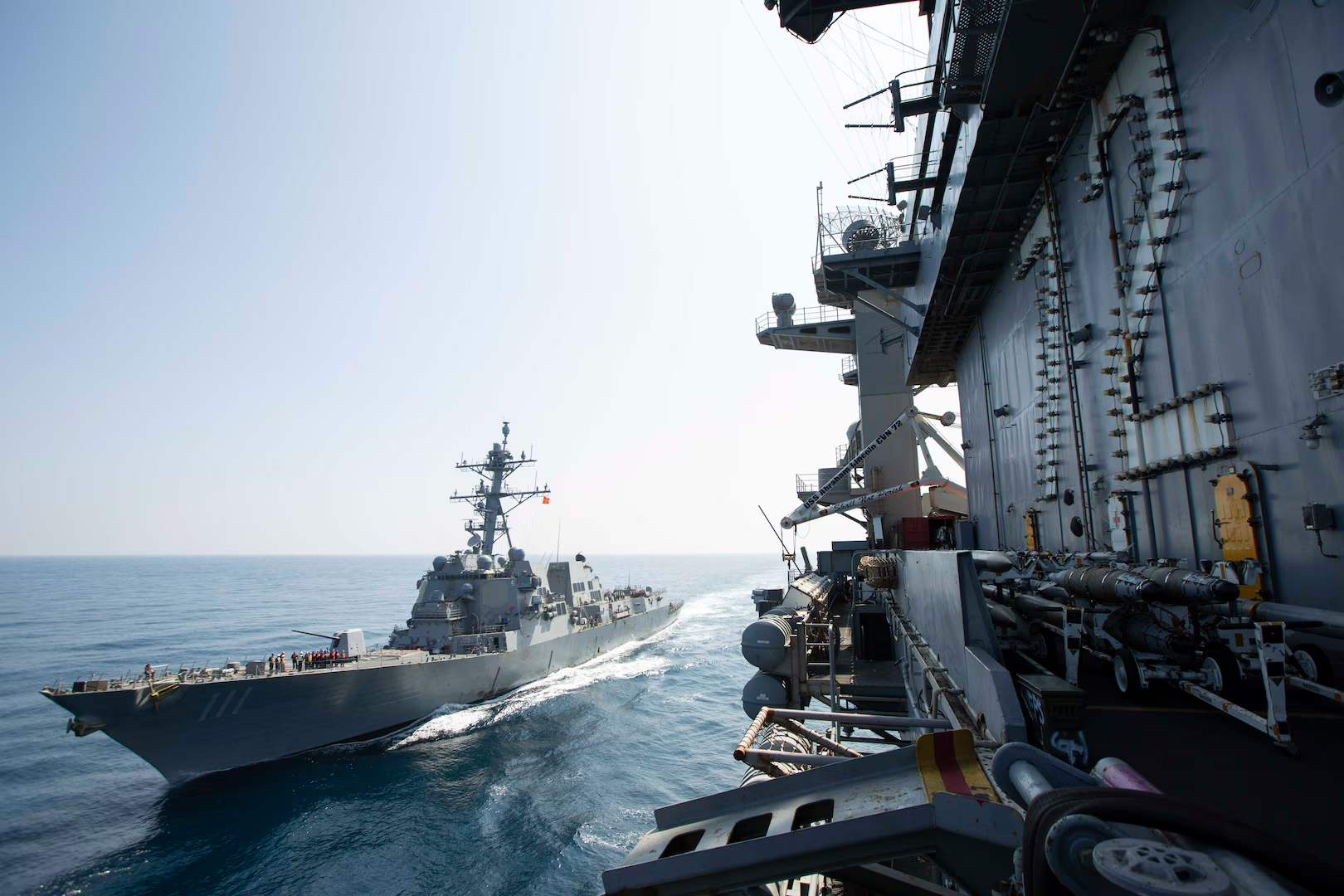
Data from the London Stock Exchange Group (LSEG) revealed that only four ships transited the Strait of Hormuz on Sunday, down from eight vessels the previous day. The reduced traffic highlights heightened maritime caution amid military tensions, as energy investors closely monitor any developments that could impact global oil flows and maritime security.
Delicate Market Equilibrium: Crude markets remain suspended between diplomatic pushback against risk premiums and structural physical constraints. While ceasefire chatter cools speculative spikes, shipping volumes through the Strait of Hormuz—typically handling nearly 20% of global oil supplies—continue to prevent sharp price pullbacks.