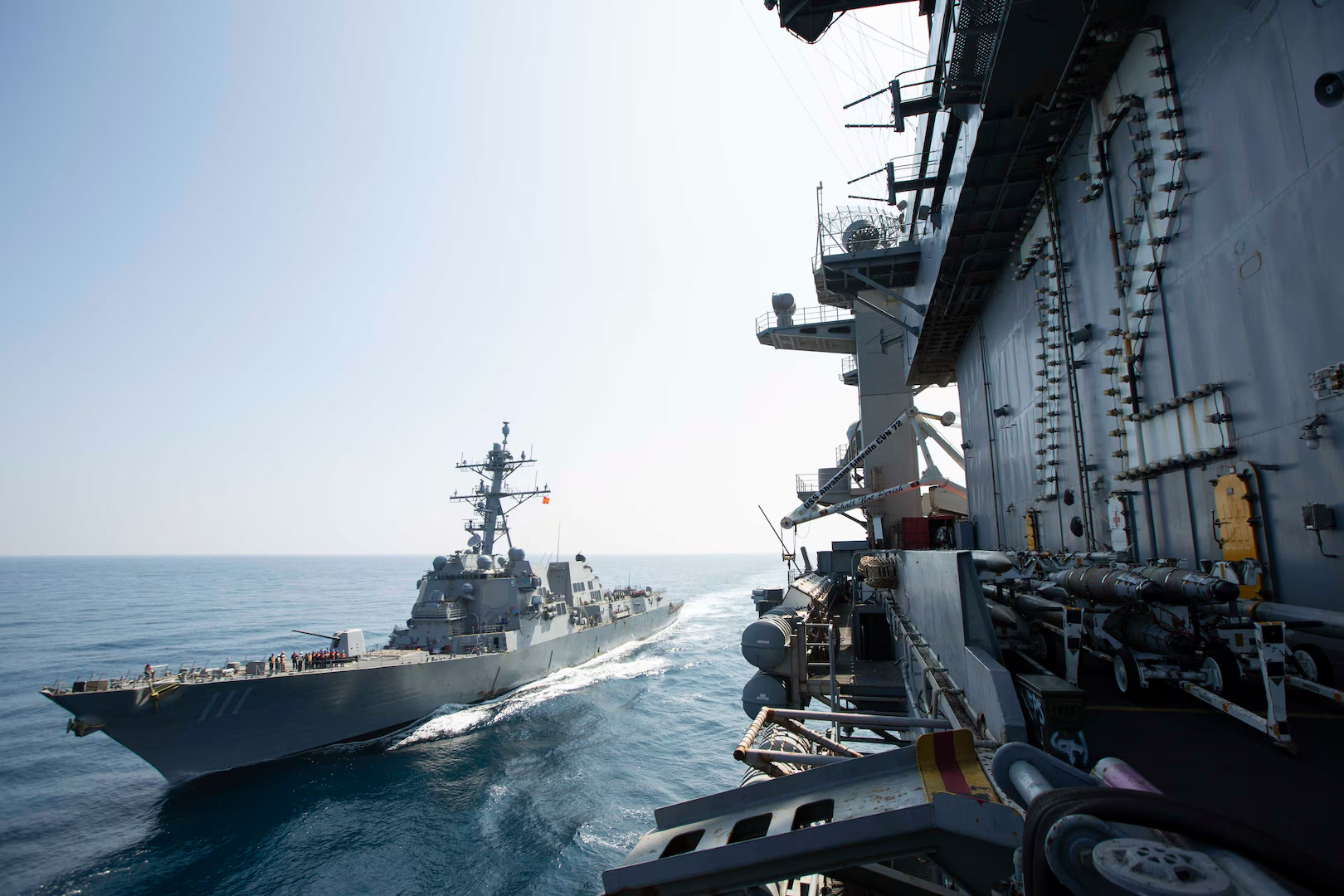
Washington, DC – At 9:00 PM EST on Monday, US Central Command (CENTCOM) completed a new and intensive round of military strikes against targets inside Iran. The operations targeted military command centers, naval capabilities, missile and drone launch sites, and air defense systems. The goal was to degrade Tehran’s ability to continue attacking commercial vessels in the Strait of Hormuz.
Securing navigation and protecting the vital corridor
Despite ongoing tensions, commercial shipping continues to transit the vital international waterway. Since the beginning of May, US Central Command (CENTCOM) forces have helped secure the passage of nearly 900 commercial vessels and the transport of approximately 450 million barrels of crude oil.
The US command affirmed that its forces remain prepared to hold Iran accountable for any aggression targeting civilian mariners and violating freedom of navigation in the Strait of Hormuz.
Trump’s warnings and mounting losses
This escalation comes in the wake of US President Donald Trump’s confirmation in a post on the X platform on Monday, where he said: “Every time Iran kills an American soldier, they will pay a heavy price,” adding that he had informed Secretary of Defense Pete Hegseth, Chairman of the Joint Chiefs of Staff Dan Keane, and all military leaders of this firm stance.
Massive air reinforcements in the region
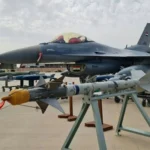
In a related development, CNN reported Monday evening that the United States is working to bolster its military presence in the Middle East. According to a US official, Washington plans to deploy more advanced F-16 and F-35 fighter jets to the region from its bases in Europe. Additionally, it will increase the number of aerial refueling aircraft.
On the ground, an Israeli source reported that dozens of American refueling aircraft have arrived in Israel in recent days, with the flow continuing. Data indicates that the number of these aircraft in the region reached approximately 94 during the March operation. This number later dropped to around 40 before rising again last week.
Options for escalation and diplomacy
The deployment of this massive equipment may give President Trump broader strategic options as he considers how to handle the escalating conflict. Trump was briefed in the White House Situation Room last week on options for escalating the war. These options included considering the possibility of seizing Kharg Island (a key Iranian export hub) or bombing the nuclear facility at Mount Pico DX. Despite these heavy military options, the White House has not ruled out diplomatic solutions. Secretary of State Marco Rubio stated this morning that a return to the negotiating table remains a viable path if the Iranian side demonstrates the necessary political will.