Mosul, Iraq – Archaeological excavations at the site of Nimrud, near Mosul, continue to reveal new details about one of the most important cities of the ancient Assyrian Empire.
This is helping researchers understand life within the city beyond the palaces of the kings and their famous sculptures.
Nimrud was an important Assyrian capital
Nimrud was known in ancient times as Kalhu and emerged as an important Assyrian capital,
particularly during the reign of King Ashurnasirpal II in the 9th century BC.
Modern studies focus not only on the royal palaces but also on residential quarters, workshops, warehouses, and other structures.
This reveals aspects of daily life for the inhabitants, as well as their trade, crafts, and production activities.
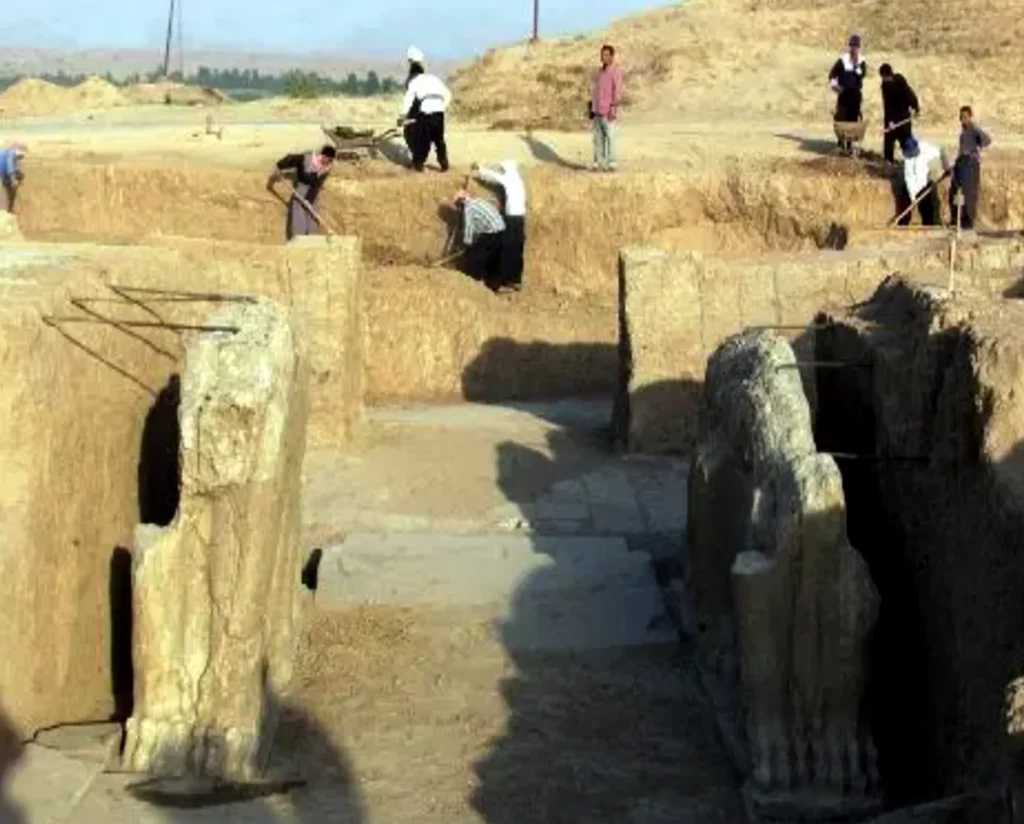
Secrets of ancient civilizations
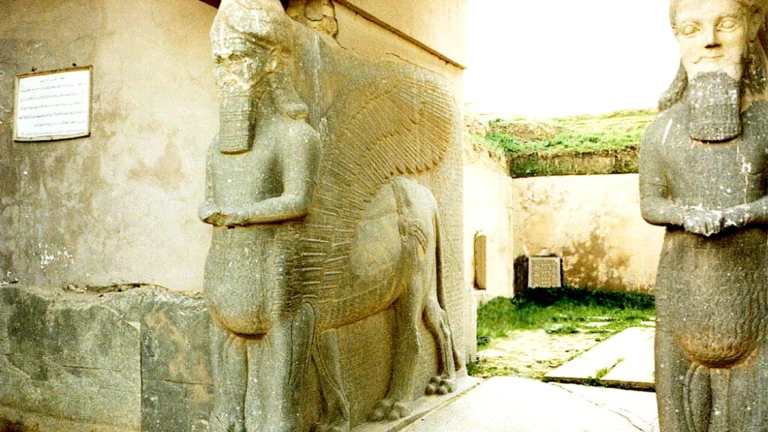
The discovered inscriptions and sculptures provide important information about kings, wars, and religious beliefs.
They also reflect the advanced artistic level achieved by the Assyrian civilization.
Despite the damage the site has suffered in recent years,
research and documentation efforts continue to uncover new layers of the city’s history.
Nimrud thus confirms that the secrets of ancient civilizations remain buried beneath its ruins, waiting to be rediscovered.