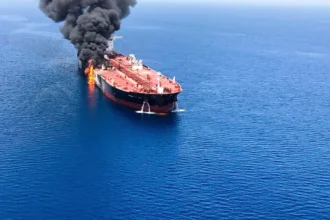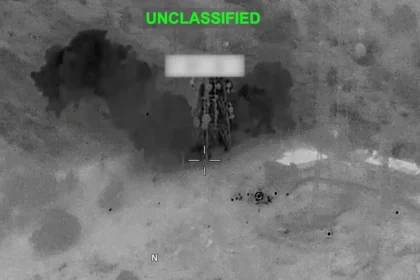
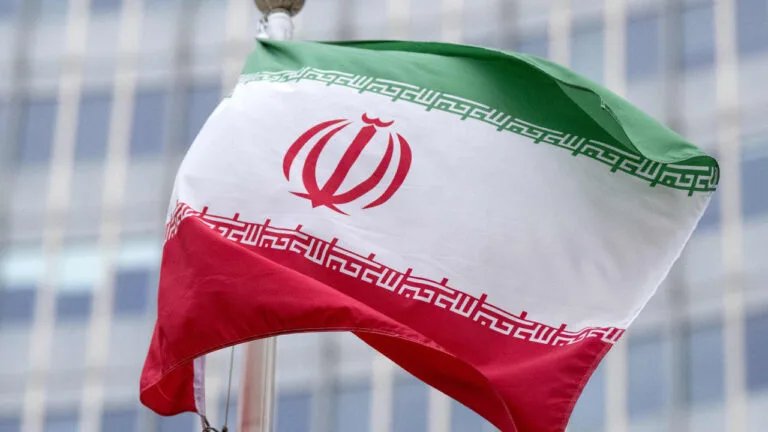
Tehran, Iran – Media reports have revealed a new directive from Tehran, requesting that its regional allies heighten their readiness for a potential expansion of military confrontation. This comes amidst ongoing, intense military escalation with the United States, which has seen a heavy exchange of strikes in recent days, particularly around the strategic Strait of Hormuz, with no signs of de-escalation on the horizon between the two sides.
IRGC Threatens Wider Response and Targeting of Military Bases
Iranian media sources, citing Revolutionary Guard leadership, have warned of the possibility of expanding strikes to include Gulf states that host US military bases if Iran is subjected to further attacks. The sources affirmed that Tehran’s response would be “in kind” and direct, arguing that continued US operations against Iranian facilities mandate the implementation of defensive measures to protect national security and interests. The Revolutionary Guard indicated that the absence of any effective international mechanism to halt US attacks forces Iran to adopt a policy of reciprocal response, asserting its legitimate right to self-defense.
Reciprocal Escalation Around the Strait of Hormuz and Rules of Engagement
These field movements follow days of explicit US threats to target Iranian infrastructure and energy facilities, creating a state of heightened military tension surrounding the Strait of Hormuz, the vital artery for global energy trade. Regional analysts and observers believe that this latest escalation reflects a serious attempt by both sides to redraw the rules of engagement and bolster deterrence, especially as reciprocal military and political pressures continue to push beyond the traditional boundaries of confrontation.
International Fears of a Regional Conflict
These rapid developments have triggered growing regional and international concerns regarding the potential for the conflict to shift into a wider and more dangerous phase. This is particularly concerning given the close ties several regional countries have with the US military presence, and the potential security and economic repercussions that could destabilize the entire region. As of now, official indicators of a diplomatic path capable of containing the crisis remain absent, while both sides continue to exchange sharp military and political messages, amid anxious international anticipation of field developments in the coming days.