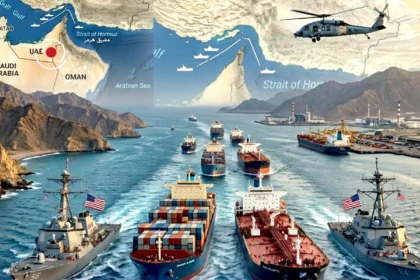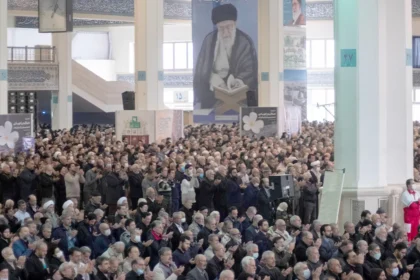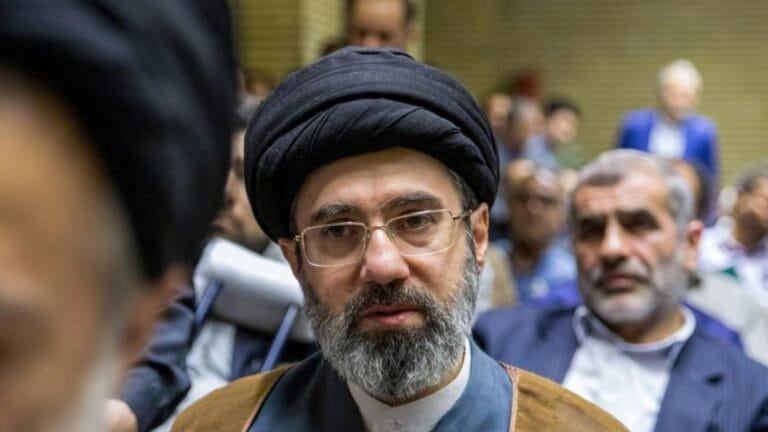
Tehran, Iran – In a move reflecting a sharp escalation in tensions, Iranian Supreme Leader Mojtaba Khamenei stated in a written message that the United States has repeatedly violated its obligations under the existing Memorandum of Understanding, describing the US President’s signature as “worthless and void.” These strong political statements cast a shadow over an already distressed military landscape, with ongoing reciprocal strikes and rising tensions in international navigation routes—particularly the Strait of Hormuz—signaling that the crisis has entered a new phase of estrangement.
Accusations of Violating Understandings and Loss of Credibility
In his message, the Iranian Supreme Leader clarified that the United States has repeatedly breached its commitments, leading Tehran to fundamentally question the utility of any future pledges or agreements with Washington. He emphasized that Iran views the American side as having completely lost its credibility after repeatedly breaking its promises, noting that the country will address current developments based on this stern assessment, considering the “US President’s signature” to hold no legal or political weight in Tehran’s calculations.
Field and Politics: Escalation on Parallel Tracks
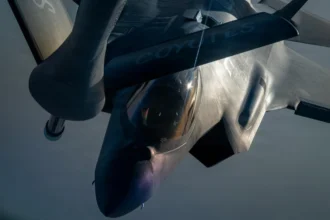
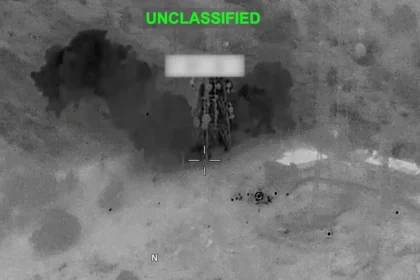
These hardline political positions coincide with unprecedented military escalation, as both the United States and Iran exchange accusations regarding responsibility for the collapse of understandings. The field is witnessing continuous American military strikes inside Iranian territory, met with Iranian responses targeting American interests in the region, amidst a state of total military alert. Observers believe that the Iranian leadership’s link between the “invalidity of the American signature” and the realities on the ground effectively means that Tehran has closed the door on any diplomatic efforts for the foreseeable future.
Collapse of the De-escalation Track: The exchange of accusations and the recent escalatory rhetoric reflect a failure of the diplomatic track between the two countries. The firm stance of each party, both politically and militarily, and the absence of international mechanisms capable of enforcing a ceasefire increase the likelihood of continued confrontation in the coming period, especially with rising regional and international fears of the region sliding toward a wider conflict that could threaten the security of the Middle East and the stability of global energy supplies.