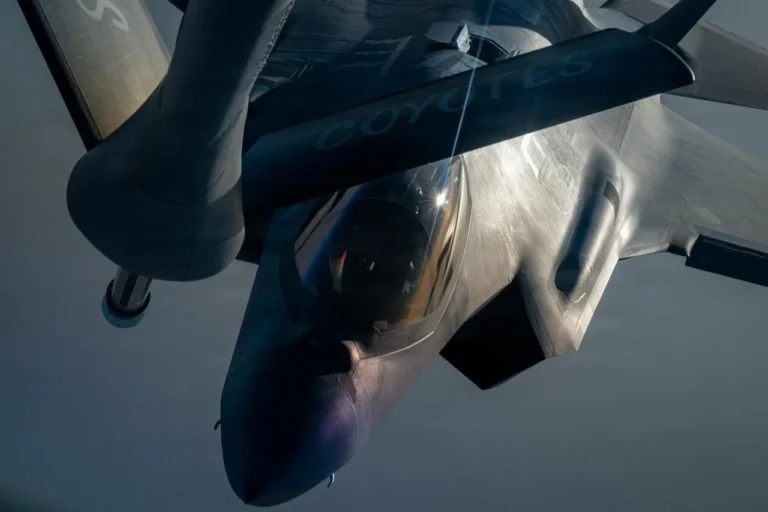
In a field move reflecting a shift toward a more intensive phase of military confrontation, reports indicate that the United States is working to reinforce its fleet of aerial refueling aircraft in the Middle East, specifically at its bases within Israel. This strategic move aims to increase the capability to sustain long-range aerial operations, given the ongoing military tension between Washington and Tehran and the accompanying collapse of the diplomatic de-escalation tracks that followed the previous Memorandum of Understanding.
Aerial Reinforcements to Support “Strategic Bombing”
These reinforcements come at a time when estimates suggest that Washington is seeking to restore the number of its aerial refueling fleet to levels similar to those in the early stages of the conflict. Military observers indicate that the presence of a large number of these aircraft—specifically the KC-135 model—is a crucial element in any large-scale aerial campaign. It allows strategic bombers and tactical fighters to remain in the air for long periods, granting them greater freedom of movement to target locations deep within Iran without relying on nearby ground bases that might be vulnerable to threats.
Pressure Strategy: Beyond Aerial Reinforcements
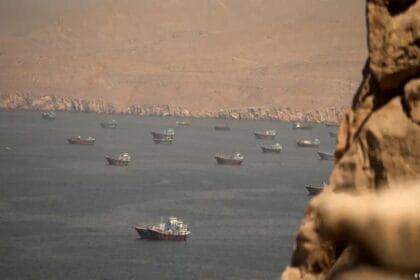
These steps come amidst reports of U.S. preparations to expand the target list to include energy infrastructure, vital facilities, and strategic military sites inside Iran. This is part of an intensive pressure campaign aimed at forcing Tehran to reopen the Strait of Hormuz and retreat from recent escalations. This approach has already led to a series of intensive airstrikes in recent days that targeted bridges and energy facilities in Hormozgan province and other areas.
Field of Escalation: Analysts believe that the reinforcement of the air fleet is an indication that military operations will not be limited to “limited response,” but are heading toward a strategy of systematic exhaustion. With the continued blockade of Iranian ports and the intensification of naval and air patrols, the confrontation is entering a phase of “open engagement,” where each side is betting on breaking the other’s will by targeting key economic and military hubs.
International circles are monitoring the situation in the coming days, amidst fears that any “expansion of operations” might lead to unexpected Iranian reactions, especially with continued threats to strike the interests of Washington’s allies in the region and disrupt global energy supply chains.