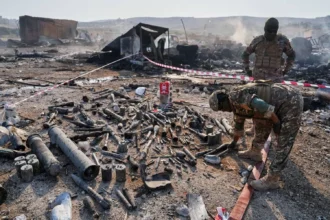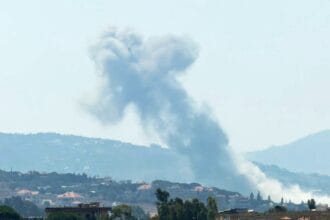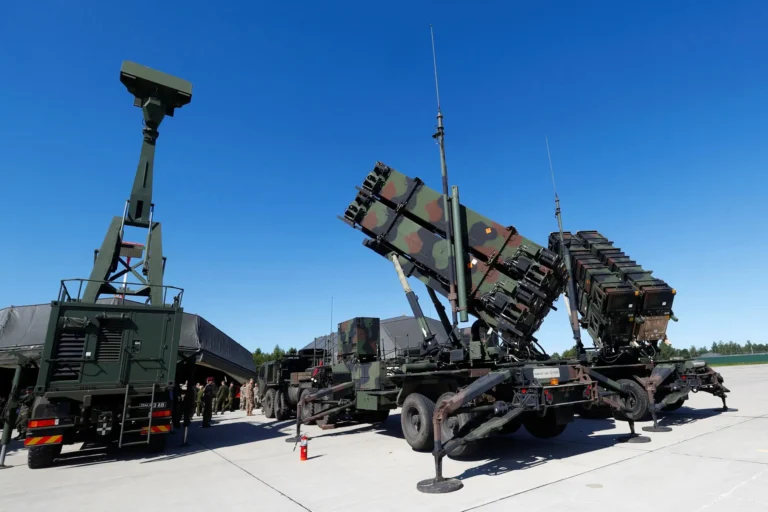
Baghdad, Iraq – The Counter-Terrorism Service in the Kurdistan Region of Iraq announced on Friday morning, July 17, 2026, that international coalition forces had shot down eight explosive-laden drones over the city of Erbil. The service explained in an official statement that the operation took place between 4:19 and 5:25 a.m. It also confirmed that there were no casualties or material damage in the targeted areas.
Frequency of attacks and security situation
This incident marks the second of its kind in Erbil within a week. A similar attack occurred in the area on Wednesday evening, July 15, during which coalition forces also shot down eight explosive-laden drones. These attacks come amid heightened security concerns. The US Embassy in Baghdad has issued warnings to its citizens to remain extremely vigilant, given the possibility of flight disruptions or airspace closures at any time.
Strategic shifts in the Iraqi trajectory
This escalation in security coincides with intense political activity in Baghdad. The spokesman for the Commander-in-Chief of the Armed Forces, Major General Yahya Rasool (Sabah al-Nu’man), announced Iraq’s intention to establish a new security cooperation mechanism with the United States for the post-international coalition phase. Prime Minister Ali al-Zubaidi’s recent visit to Washington is seen as a “strategic turning point” in bilateral relations.
These developments point to a new phase in the Iraqi landscape. Baghdad is seeking to reorder its security priorities, strengthen state authority, and consolidate its monopoly on the use of force, amidst regional and international indicators of a decline in Iranian influence, which has dominated the Iraqi scene for years.
This trend comes within the framework of national efforts to reshape regional relations in a way that serves Iraq’s strategic interests, moving away from the rivalries that have turned Iraqi territory into an arena for settling scores.