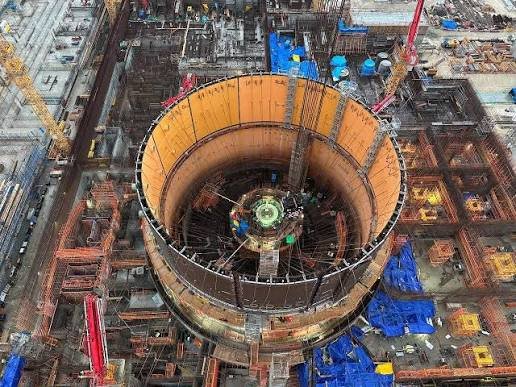
Cairo, Egypt – In a strategic move reflecting the accelerated pace of progress on Egypt’s largest national energy project, Prime Minister Dr. Mostafa Madbouly witnessed the installation of the reactor pressure vessel for Unit 2 at the El Dabaa Nuclear Power Plant on Thursday. This milestone comes in line with the project’s ambitious timeline, just seven months after the installation of the pressure vessel for Unit 1 last November.
“The heart of the reactor”… the heart of sustainable energy
The reactor pressure vessel is the most critical and sensitive component of the facility; it is a giant steel tank, constructed from high-strength alloys, that houses the reactor core, where nuclear fission reactions take place. This structure, weighing hundreds of tons, is designed to withstand extreme temperatures and immense pressures. Furthermore, it adheres to the highest international nuclear safety standards, ensuring a fully operational lifespan until 2100.
A journey of logistical and technical achievement
This massive equipment recently arrived aboard the Russian cargo ship “Alexander Udalov,” in an exceptional shipment weighing approximately 2,000 tons. The shipment included the reactor vessel for Unit 2, weighing 333 tons, as well as four steam generators and a pressure compensation system for Unit 1. These components were manufactured at the Russian Atommash plant. They were then transported directly via a river-sea vessel to ensure their safety and expedite delivery.
An ambitious vision for nuclear energy
من جانبه، أكد أليكسي ليخاتشوف، المدير العام لشركة “روساتوم” الروسية، أن العمل في الموقع يضم أكثر من 25 ألف عامل، مشدداً على أن الوقود النووي سيصل للمحطة في 2027. سيبدأ تدفق أول تيار كهربائي نووي إلى الشبكة القومية في 2028. بعد ذلك، سيتم التشغيل الكامل للمشروع بحلول 2030. كما أشاد وزير الكهرباء المصري، محمود عصمت، بالشراكة الاستراتيجية مع الجانب الروسي. بالإضافة إلى ذلك، أكد أن المشروع يمثل ركيزة أساسية لدعم الرؤية المصرية في الاستخدام السلمي للطاقة النووية.
Egypt’s Energy Project of the Century
The El Dabaa Nuclear Power Plant project, located on the northwestern coast, consists of four nuclear units with a total capacity of 4,800 megawatts, utilizing advanced Generation III+ reactor technology. The plant’s role extends beyond simply meeting Egypt’s growing energy needs; it is a cornerstone of the country’s clean energy transition strategy. Egypt aims to achieve a 45% share of renewable and clean energy in its energy mix by 2028. Furthermore, the country seeks to localize advanced nuclear technology within the Egyptian market.