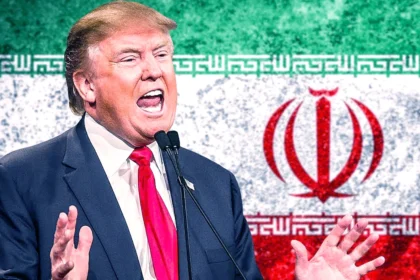
Washington, DC – US President Donald Trump escalated his rhetoric against Iran, announcing that the United States might launch new strikes against Iranian targets in the coming hours. His remarks included direct threats to target Iranian leaders and vital infrastructure if necessary. This comes amid escalating tensions between the two countries following the attacks in the Strait of Hormuz.
Threats to target the Iranian leadership
Trump said the United States “may strike Iran again tonight.” He added that the Iranians had launched drones and missiles at ships in the Strait of Hormuz, an escalation that warranted a response.
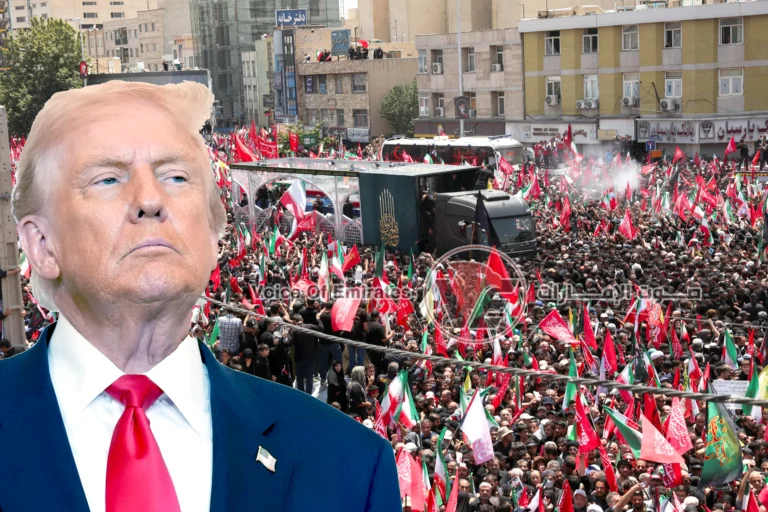
He further stated that Washington could have “killed all of Iran’s leaders during the funeral of Supreme Leader Ali Khamenei.” He also indicated that US Defense Secretary Pete Higgseth was fond of this idea. His remarks reflect an unprecedented level of escalation in US rhetoric toward the Iranian leadership.
Energy facilities are among the military options
Trump stressed that US military options do not rule out controlling Iranian Khark Island if circumstances require it. He pointed out that the island is one of the most important centers for exporting Iranian oil.
He also explained that the United States would target Iranian energy facilities and water desalination plants if necessary. He also considered that these goals may be part of any future military operations against Tehran.
Tensions escalate in the region
Trump’s remarks come at a time of rapidly escalating tensions in the Gulf region, following US accusations that Iran targeted ships in the Strait of Hormuz. These accusations were followed by regional and international condemnations of the attacks on oil tankers and commercial vessels.
These statements raise concerns about a potential widening military confrontation between the United States and Iran. This anxiety is heightened by the continued exchange of accusations and threats.
Meanwhile, regional and international capitals are closely monitoring developments in the crisis, fearing its repercussions on international maritime security and global energy supplies.