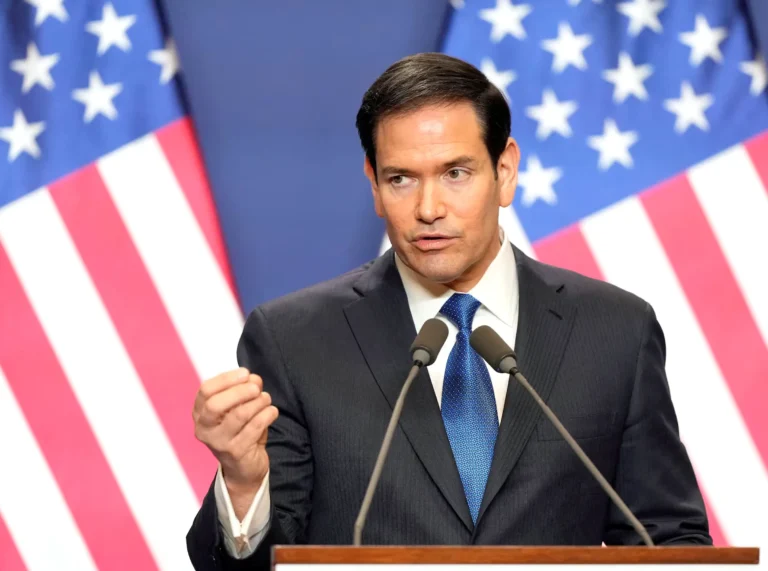
Washington, DC – US Secretary of State Marco Rubio affirmed that freedom of navigation in international waterways is a non-negotiable principle.
He emphasized that no country has the right to impose fees or restrictions on transit through these vital waterways.
This statement comes amid escalating security tensions in the region.
US reaffirmation of freedom of navigation
Rubio’s remarks came as the United States and its allies continue to monitor developments related to maritime security.
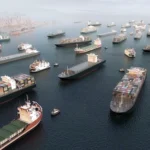
He emphasized that this includes, in particular, strategic waterways through which a significant portion of global trade and energy supplies pass.
Rubio stressed that international laws and conventions guarantee freedom of navigation in international waterways.
He affirmed that Washington rejects any measures that would disrupt trade or impose additional burdens on transiting vessels.
He added that maintaining the smooth flow of maritime traffic is a priority for the international community,
given its direct impact on the stability of global markets and international supply chains.
In a related context, the US Secretary of State explained that ending hostilities and achieving a lasting
de-escalation in the region will not be possible if Iranian-backed groups continue launching missiles.
He emphasized that it will also be impossible if these groups continue to carry out attacks that threaten security and stability.
Calls to reduce tensions
He noted that the continuation of these operations hinders diplomatic efforts aimed at de-escalation and creating the conditions for political solutions.
Rubio affirmed that the United States supports efforts to contain regional tensions and prevent the conflict from spreading.
He also called on all parties to commit to de-escalation and respect international law.
He stressed the importance of addressing the sources of threats affecting regional security and international navigation.
And He asserted that achieving stability requires a collective commitment from all parties involved.
He emphasized the need to prevent any actions that could threaten regional security or disrupt global trade.