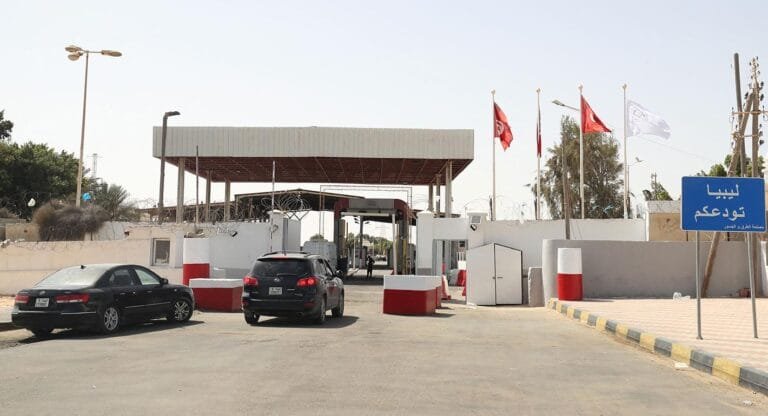
Tripoli, Libya – Libyan authorities have announced a series of strict measures to regulate entry into their territory, including a ban on citizens of Sudan, Somalia, Eritrea, and Ethiopia across all border crossings. This step comes as part of the government’s efforts to enhance national security and curb the phenomenon of illegal immigration.
Comprehensive Security Review of Border Crossing Mechanisms
Relevant authorities clarified that this decision is part of a comprehensive review of policies related to border management and handling migrant flows. The new procedures will be strictly applied at all land, air, and sea ports of entry, according to regulations that will be circulated to the competent authorities. Continuous coordination among security institutions will be ensured to monitor the implementation of the decision and evaluate its consequences.
These moves occur amidst complex security and humanitarian challenges in the region, as Libya is considered a primary and vital transit point for migrants wishing to reach European shores.
Increasing Pressures and Efforts to Upgrade Monitoring Systems
Libya has recently faced immense pressure due to the noticeable growth in irregular migration through its territory. Certain border areas are witnessing continuous influxes of migrants fleeing armed conflicts, economic crises, and harsh humanitarian conditions in several African nations.
To counter this burden, the Libyan government is working on developing its border surveillance system and strengthening joint cooperation mechanisms with neighboring countries and international organizations. These efforts aim to reduce smuggling and human trafficking operations, alongside endeavors to address and regularize the legal status of migrants already present within the country.
Expected Repercussions and a Shift in Migration Policies
This decision is expected to spark widespread discussions at the regional and international levels, given the close link between the migration file and issues of security, stability, and development. It will also have a direct impact on the movement of people between Libya and the Horn of Africa countries.
This trend reflects the Libyan authorities’ desire to reshape migration policies in line with current security changes, in a serious attempt to control the escalating challenges within this thorny issue.