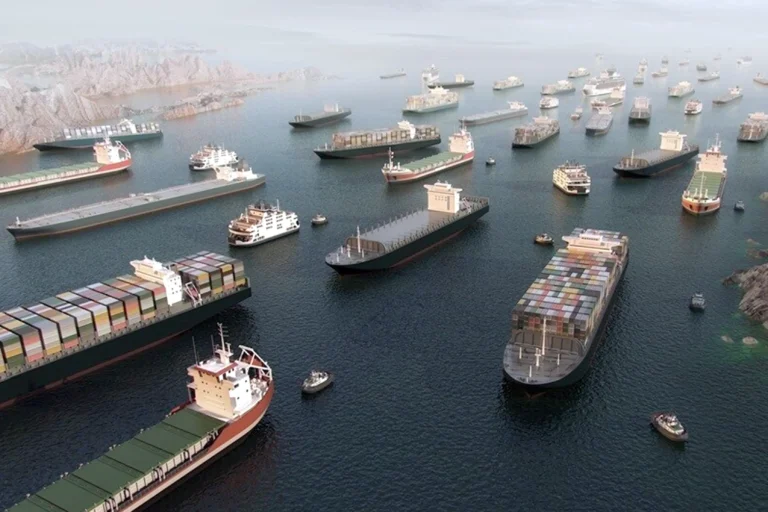
London, United Kingdom – The UN maritime agency has announced the start of an operation to evacuate some 11,000 seafarers stranded in the Strait of Hormuz.
This move aims to ensure the safety of ship crews and the continued flow of maritime traffic.
The strait is one of the world’s most important waterways.
Evacuation operation and ensuring safe navigation
The UN Maritime Agency explained that the operation involves international coordination between port authorities,
shipping companies, and relevant maritime bodies.
This coordination aims to repatriate stranded seafarers and ensure their safe return to their home countries
or their replacement with new crews, in accordance with established procedures.
This step comes after a rise in the number of seafarers who have faced
difficulties disembarking from ships or reaching their destinations.
This is attributed to the security situation and operational restrictions that the region has experienced recently.
The Maritime Agency emphasized that the safety of seafarers is a top priority.
It noted that specialized teams are monitoring the operation on the ground to ensure its safe and organized execution.
Simultaneously, the smooth flow of commercial shipping through the strait is being maintained.
Strategic importance of the Strait of Hormuz
The UN maritime agency added that current efforts are focused on minimizing risks to maritime workers.
This focus is particularly pronounced in areas experiencing tensions that affect maritime transport and international trade.
The Strait of Hormuz is one of the world’s most important waterways,
through which a significant percentage of global energy exports and trade pass.
This makes it a focal point for any disturbances in the region, which is closely monitored internationally.
The maritime community believes that the successful evacuation will alleviate pressure on shipping companies and crews.
It also reinforces international efforts to maintain maritime security and the stability of maritime trade in the region.
Coordination continues between the UN and the countries involved to ensure the operation is completed according to schedule.