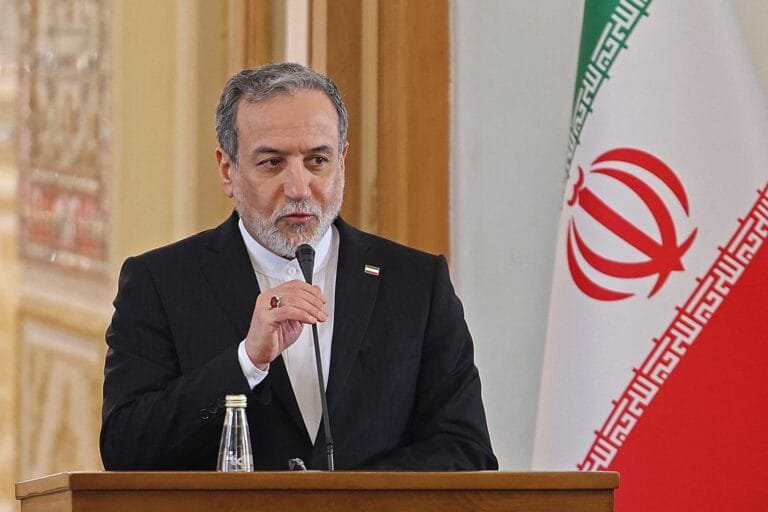
Tehran, Iran – The Iranian Foreign Minister confirmed that the US-Iran negotiations regarding a final agreement will officially commence the moment a memorandum of understanding is signed. Consequently, this signing represents the starting point of a critical phase aimed at addressing core files, foremost among them the nuclear program and the lifting of economic sanctions. Moreover, work will begin on drafting comprehensive understandings through specialized technical and political teams. As a result, this step comes as part of efforts to solidify de-escalation and transition toward a permanent and sustainable agreement. Thus, Tehran and Washington are sketching the outlines of a new phase of direct dialogue to end the stalemate in the US-Iran negotiations.
Intensive Timeline for Discussions
The Iranian Foreign Minister explained that the second phase of the US-Iran negotiations will last for sixty days following the completion of the first phase. Accordingly, this timeframe will be dedicated to discussing complex legal and technical details of the final agreement. In addition, both sides recognize that these discussions will be more meticulous, requiring strategic consensuses and clear implementation mechanisms that ensure compliance by all parties. Conversely, Tehran is banking on this mechanism leading to tangible results that end the sanctions. Consequently, the coming period will be a real test of both sides’ seriousness in reaching a historic settlement.
Nuclear Power and Sanctions: Pillars of the Final Agreement
The strategic goal is to reach a comprehensive agreement that permanently closes Iran’s nuclear program file. On the other hand, the issue of lifting sanctions remains at the forefront of the discussions to ensure the achievement of Iran’s national interests and to guarantee regional stability. Consequently, the success of the US-Iran negotiations depends primarily on the parties’ commitment to future understandings. Ultimately, Tehran aspires to more balanced international relations, which requires stability in the outcomes of this dialogue. Accordingly, the international community will closely monitor the results of these talks, which could fundamentally reshape the geopolitical landscape in the region.