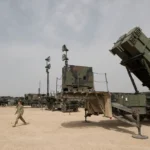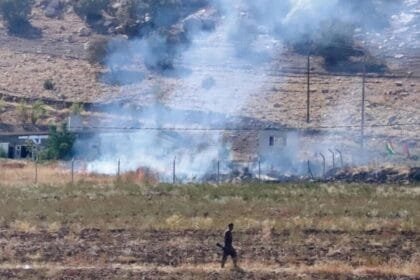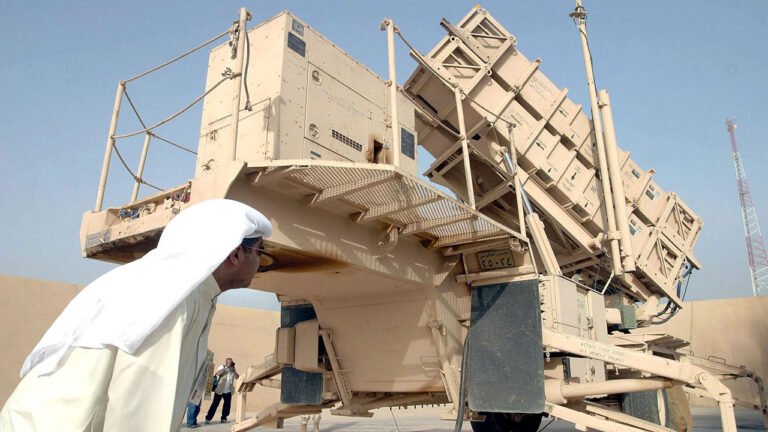
Kuwait – Amid the rapidly evolving situation in the region, the Kuwaiti Army General Staff announced this morning that the country’s air defense systems successfully engaged hostile aerial targets that entered Kuwaiti airspace. This action was taken in accordance with established operational procedures to protect the country’s security and sovereignty.
Calls to citizens
In an official statement published by the Kuwait News Agency (KUNA), the General Staff called on citizens and residents to fully comply with the security and safety guidelines issued by the official authorities. The General Staff also stressed the importance of obtaining information from official sources and avoiding the spread of rumors during these sensitive times.
End of US operations
This Kuwaiti mobilization coincides with the announcement by the US Central Command (CENTCOM) of the conclusion of what it described as “self-defense strikes” against Iranian targets. These strikes were carried out under the direct orders of the US military commander. Furthermore, these operations concluded a series of field responses following the downing of a US Apache helicopter last Monday.
CENTCOM explained that the US strikes precisely targeted Iranian air defense systems, ground control centers, and strategic radar sites near the Strait of Hormuz. It emphasized that the strikes were a “proportionate and limited” response to attacks targeting Iranian forces and commercial vessels.
Conflicting reports and the situation on the ground
Regarding the scale of the Iranian response, accounts differed. The New York Times quoted a US official denying the Revolutionary Guard’s claims of carrying out 21 attacks against US bases, describing them as “false.” In contrast, an Axios correspondent, citing informed sources, reported that Iran launched four ballistic missiles and several drones toward US bases in Bahrain, Kuwait, and Jordan.
Regional capitals are gripped by deep anxiety, fearing the region could slide into open military confrontation. While Washington concludes its strikes, US forces remain on high alert. Political circles are anxiously awaiting the coming hours, which will determine whether these operations have ended the escalation or are a prelude to a more dangerous phase. This comes amidst intense international calls for restraint and the preservation of maritime security and the safety of waterways.