Kampala – Uganda — Official health authorities in the Republic of Uganda have announced one confirmed death resulting from the deadly Ebola virus. Additionally, they detected and raised the total number of confirmed infections to 15 cases. This concerning official disclosure emerges within the framework of rigorous field monitoring of a fresh epidemiological outbreak in the country. Meanwhile, there are mounting local and international apprehensions regarding the potential expansion of the virus.
Tracking Transmission Chains and Intensifying Field Testing
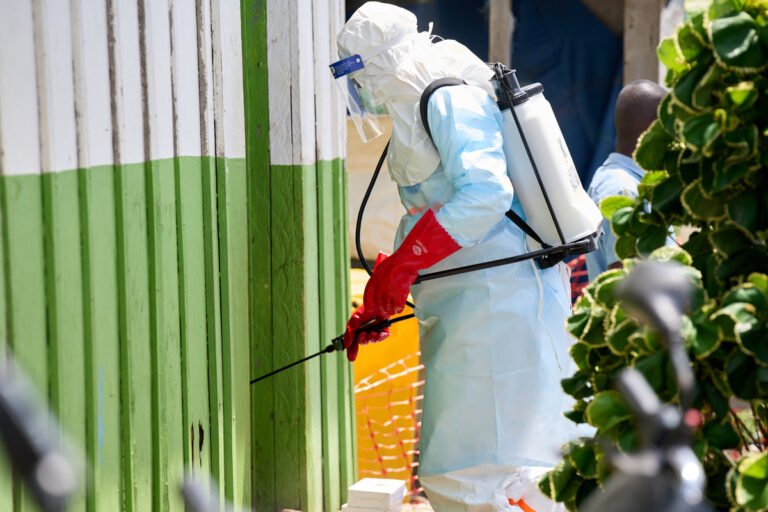
Ugandan health agencies clarified in their technical briefings that the newly identified case falls within a specific chain of transmission that has been meticulously mapped and isolated during recent field operations. In addition, authorities noted the continuation and scaling up of active epidemiological surveillance. They are imposing strict clinical isolation for confirmed patients in specialized wards. Also, quarantine protocols for immediate contacts have been implemented. This aims to effectively minimize the risk of viral transmission within surrounding communities.
Concurrently, the Ugandan Ministry of Health emphasized that it is aggressively reinforcing its rapid response mechanisms and upgrading emergency health protocols. Key measures include expanding the radius of contact tracing and multiplying field laboratory screenings. Furthermore, medical and logistical readiness are being elevated at healthcare centers and public hospitals within affected zones. The ministry added that specialized outbreak response teams remain deployed on the ground to investigate and screen suspected cases. This is in a determined bid to secure comprehensive control over viral hotspots and prevent the pathogen from migrating to uninfected districts or cities across the country.
Apprehensions Over Rapid Transmission and Leveraging Historical Expertise
This rapid epidemiological development unfolds amidst expanding anxieties within medical circles regarding the potential geographical expansion of the virus. This is particularly critical given the highly contagious nature of Ebola transmission among humans. If early, decisive containment is not achieved, the situation could worsen—a reality that has prompted sovereign and health ministries to tighten preventative checks at regional borders. Moreover, they are accelerating public awareness campaigns.
Nevertheless, the Ugandan government maintains that it relies heavily on its vast and historically successful institutional expertise in managing previous Ebola outbreaks. Kampala is actively collaborating with international health organizations, spearheaded by the World Health Organization (WHO), to support containment strategies and secure vital medical supplies. They are also working to clamp down on casualty and mortality rates during the current critical phase. Health authorities in Kampala remain on maximum alert and are monitoring epidemiological indicators around the clock. This vigilance aims to prevent the health crisis from compounding into an unmanageable epidemic.