New York – United States — The Kyrgyz Republic has achieved a monumental and unprecedented diplomatic milestone, clinching the non-permanent seat designated for the Asia-Pacific Group at the United Nations Security Council (UNSC). This historic milestone materialized following a fierce and protracted electoral contest that spanned four consecutive rounds of intense secret balloting within the UN General Assembly, a race that captured the utmost attention and scrutiny of global diplomatic networks and major superpowers.
Eliminating the Philippines and Securing a Historic Seat Since Independence
The final resolution of this complex diplomatic standoff swung in favor of the capital, Bishkek, following a direct and exhausting head-to-head ballot with the Philippines. The Kyrgyz diplomatic machinery successfully galvanized widespread backing, yielding the mandatory two-thirds majority during the fourth and decisive round of voting. This triumph safeguards Kyrgyzstan’s first-ever tenure on the Security Council since establishing sovereign independence and joining the United Nations, bringing an end to decades of strategic efforts to enter the absolute core of global geopolitical stewardship.
High-ranking Kyrgyz officials categorized the electoral win as a watershed moment and an evolutionary leap for the country’s foreign policy and international relations architecture. They emphasized that the overwhelming trust bestowed by the international community directly mirrors Bishkek’s expanding and refined stature on the world stage, alongside its growing capability to forge reliable, balanced, and strategic coalitions across diverse geopolitical and geographic blocs within the global body.
Expanding Regional Endorsements and the Blueprint for the Upcoming Two-Year Tenure
The initial three rounds of voting generated an exceptionally close and deadlocked distribution of votes between both contenders, precluding either nation from securing an early breakthrough or crossing the mandatory constitutional threshold. However, Kyrgyzstan’s diplomatic infrastructure managed to optimize its outreach, shifting the balance of power during the fourth and final ballot to amass the requisite tally of member-state votes, effectively claiming the sole contested Asian seat for the current cycle.
According to institutional schedules, Kyrgyzstan will formally inaugurate its two-year non-permanent tenure on the Security Council beginning January 1, 2027. Bishkek will actively participate in drafting binding resolutions and moderating highly sensitive international dossiers shaping global peace. This portfolio encompasses managing armed conflicts, overseeing UN peacekeeping mandates, participating in international sanctions regimes, and steering holistic global security stability matrices.
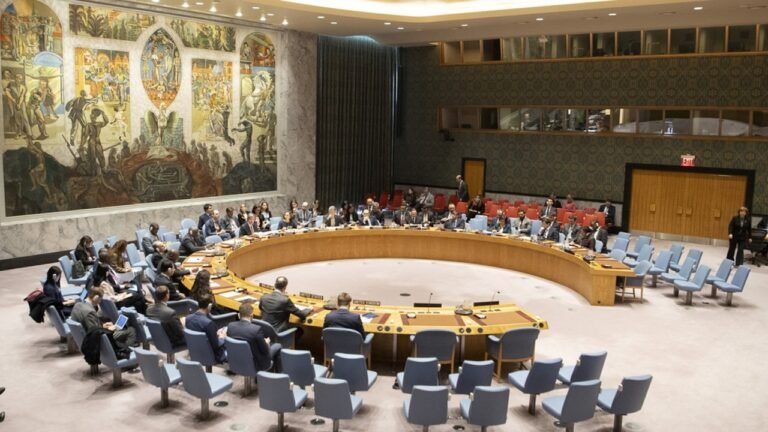
Concurrently, geopolitical analysts and international relations experts agree that the elevation of a Central Asian state into the inner council chambers during the upcoming phase will grant this highly vital strategic zone a louder and more influential voice in international security architectures. This comes at a critical juncture as the Asian continent and its sensitive regional sub-corridors face compounding geopolitical frictions. Structurally, the UN Security Council comprises 15 member states: five permanent, veto-wielding superpowers, and ten non-permanent members elected periodically based on a fair geographical distribution framework—rendering entry into this body the ultimate pinnacle of modern diplomatic achievement for sovereign states.