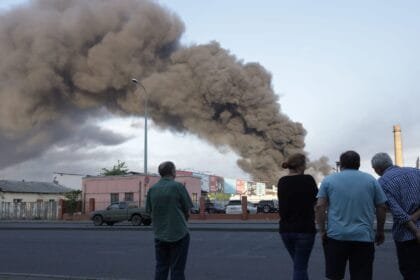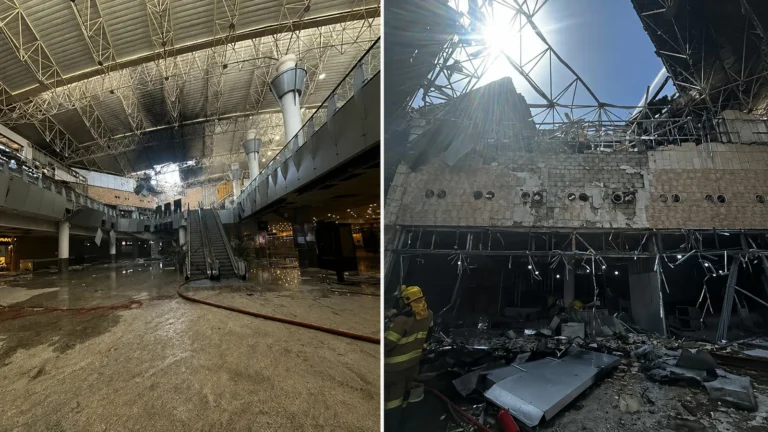
Kuwait – The Gulf region has entered a new phase of security and military tension following the Iranian attack targeting Kuwaiti territory, which resulted in one death and several injuries, as well as material damage to vital installations and diplomatic missions. The attack is considered one of the most serious developments the region has witnessed in recent years, given its indications of a widening confrontation that transcends the boundaries of traditional military engagement.
The attack triggered a state of high alert within Kuwait, with authorities activating emergency plans and raising the level of preparedness across various security and service sectors. The incident also prompted the strengthening of security measures around vital installations, embassies, and government buildings. This comes amid fears of a recurrence or escalation of attacks in the coming period.
Observers believe that targeting Kuwait has political and strategic dimensions that extend beyond direct losses. Kuwait is a Gulf state of significant geopolitical importance. It also hosts close security and military cooperation with the United States and its Western partners. Therefore, any attack on it directly impacts regional security equations and the existing balances in the Gulf region.
The attacks have caused widespread concern within economic circles, particularly regarding the potential impact of military escalation on maritime navigation, international trade, and energy supplies. Furthermore, economists fear that any prolonged confrontation could lead to higher global oil prices and increased insurance and shipping costs. This, in turn, could further destabilize international markets, which are already experiencing multiple disruptions.
On the diplomatic front, several countries and international organizations were quick to condemn the attack and call for restraint and the avoidance of a wider confrontation. The hours following the attack also witnessed intensive political contacts between regional and international capitals to contain the situation. This aimed to prevent its escalation into an open conflict that could threaten the security of the entire region.
Analysts emphasize that the recent developments reflect the fragility of the security situation in the Gulf. Any limited confrontation could quickly escalate into a large-scale regional crisis. The targeting of civilian facilities and diplomatic missions further exacerbates the situation, given the threat it poses to international laws and norms governing relations between states.
With tensions continuing between Iran and the United States and their respective allies in the region, attention remains focused on the nature of the potential political and military responses in the coming days. This comes at a time when international calls are growing to prioritize diplomatic solutions and avoid any steps that could lead to further escalation and instability in the Gulf and the Middle East.