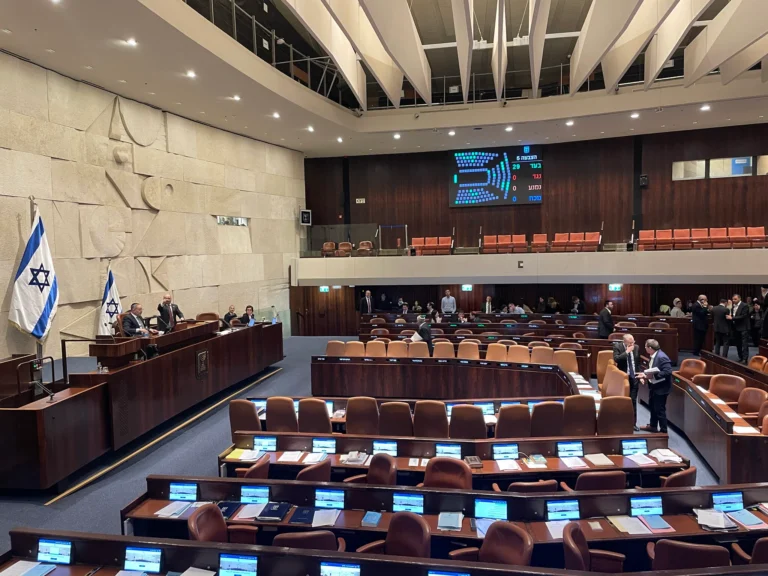
Jerusalem – The Israeli Knesset has approved a new bill enabling the prosecution of individuals Israel accuses of participating in the events of October 7. This legislative move has sparked a wide wave of political and legal controversy, not only within Israeli circles but also on the international stage, amidst ongoing military operations and the complexities surrounding the file of detainees and prisoners held by both sides.
The bill includes specific provisions for dealing with detainees linked to the attack, whose numbers are estimated by Israeli reports to be around 250 prisoners from the Gaza Strip. Current disputes center on the mechanisms of the trials, the competent judicial authority, and the extent to which these procedures align with international laws and treaties regarding prisoners of war and detention during armed conflicts.
Judicial Escalation Amid International Pressure and Human Rights Concerns
Observers noted that passing this law reflects the Israeli political establishment’s trend toward tightening judicial and security handling of the attack’s file. This move coincides with increasing international pressure regarding the conditions of detainees and rising criticism from international human rights organizations, which expressed fears that these laws could lead to legal violations against detainees or be used as a political tool during the ongoing state of war.
The Israeli government faces challenges in balancing this legislative path with domestic public demands calling for an exchange deal to ensure the return of Israeli prisoners from Gaza. Opponents of the law argue that its timing may further complicate indirect negotiations and place additional hurdles before international efforts aimed at reaching a de-escalation or a comprehensive ceasefire.
Regional Implications and the Future of the Legal Landscape
The new law represents a legal precedent in dealing with major military operations, as Israel seeks through it to solidify its legal narrative of the events before international courts. However, legal experts believe that prosecuting a large number of detainees under exceptional legislation may face challenges before the Israeli Supreme Court or open the door to international legal pursuits against those responsible for implementing these measures.
In conclusion, the October 7 file remains the primary driver of all Israeli actions, whether on the military or legislative levels. While the Knesset moves forward with the codification process, the scene remains open to all possibilities, given the intersection of judicial paths with military and political goals, and the ongoing suffering of thousands of families on both sides of the border awaiting radical solutions to the prisoners and detainees crisis.