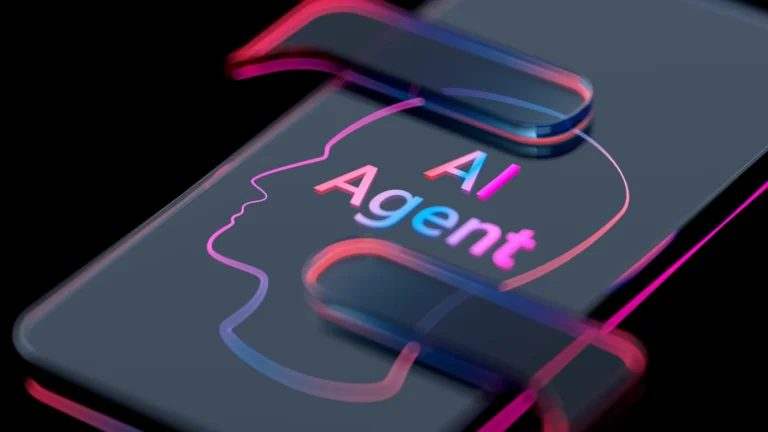
San Francisco – The world of Artificial Intelligence is witnessing a radical paradigm shift that is altering the concepts of modern technology. The global focus is transitioning from merely developing simple generative tools, such as chatbots, to building “Agentic Workflows.” This shift marks the dawn of a new era where AI is no longer confined to generating text or images but directly intervenes in managing and executing complex tasks within work environments.
Tech experts indicate that these new systems, known as “AI Agents,” are designed to operate with near-complete autonomy. They are capable of analytical thinking, decision-making, and orchestrating intertwined processes, acting as digital employees that can manage multi-step tasks without the need for continuous human prompting at every stage.
Moving Beyond Generative Content
Over the past few years, global fascination has centered on the ability of Large Language Models (LLMs) to draft emails, write articles, or generate code. However, the new generation of autonomous agents transcends these functions to interact directly with core enterprise systems. These intelligent software agents can access databases, interact with Application Programming Interfaces (APIs), close deals, and even manage supply chains.
This transformation means that AI is no longer just a “virtual assistant” responding to queries; it has become an “operations executive” capable of breaking down major problems into sub-tasks, distributing them, monitoring their execution, and proactively evaluating results to correct potential errors before they occur.
The Future of Enterprise Systems and Complex Workflows
This development comes at a time when major global corporations are seeking to enhance their operational efficiency and reduce costs. “Agentic workflows” present the optimal solution to these challenges, allowing companies to automate entire sectors such as advanced customer service, human resources, financial analysis, and cybersecurity.
In conclusion, analysts believe that integrating autonomous agents into enterprise ecosystems will revolutionize the concept of productivity. As these technologies continue to evolve, companies will be forced to restructure their traditional workflows to accommodate these “agents,” raising new questions about the future of human jobs and how to regulate collaboration between the human mind and autonomous machines in the future workplace.