Tel Aviv, Israel – Israel Foreign Minister Gideon Sa’ar announced Tel Aviv’s rejection of a decision by European Union ministers to impose sanctions on Israeli settlers in the West Bank.
He asserted that these measures “will not contribute to stability or security in the region.”
This comes at a time of escalating European and international criticism of settlement activity.
Israeli criticism of the European decision
The Israeli Foreign Minister stated that imposing sanctions on settlers “represents a unilateral and unjust step,”
emphasizing that the Israeli government “will not accept any external interference targeting its citizens.”
He added that Israel believes these European moves “ignore the security challenges it faces.”
He indicated that his country will continue to defend
its political and security interests.
He affirmed that the Israeli government is exploring diplomatic responses
to any measures that might be adopted by Europe in the coming period.
Escalating European positions
The Israeli stance comes amid growing calls within the European Union for tougher measures
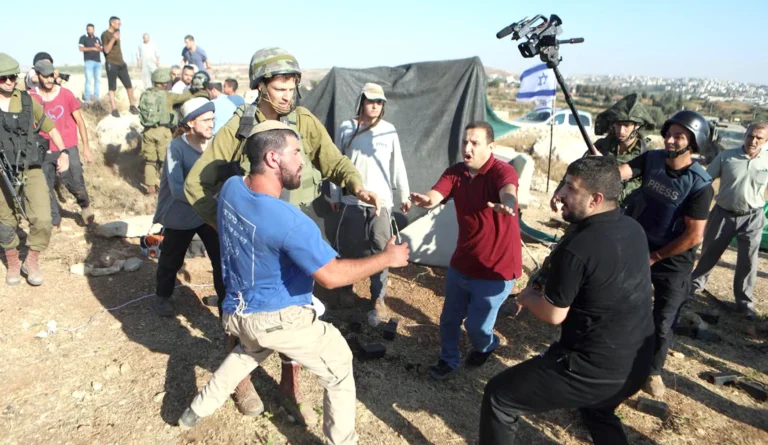
against settlers involved in violence against Palestinians in the West Bank.
There are demands for restrictions including asset freezes and travel bans against specific individuals and entities.
Several European countries have expressed concern in recent months about escalating tensions in the Palestinian territories.
They believe that continued settlement expansion undermines the chances of reaching a comprehensive political settlement.
Ongoing tension in the West Bank
The West Bank has witnessed escalating tensions for months, marked by repeated clashes and Israeli military operations,
along with a rise in settler attacks against Palestinians, according to human rights and international reports.
Observers believe that any potential European sanctions could further exacerbate political tensions between Israel and the European Union.
This is particularly concerning given the ongoing disagreements regarding the settlement issue and the future of the peace process.