Sofia, Bulgaria – The record low water level of the Danube River has led to a new archaeological discovery in Bulgaria, after researchers found remains believed to belong to a mammoth that lived during the Ice Age,
a discovery that opens the door to new studies on the wildlife that the region witnessed thousands of years ago.
The appearance of mammoth remains
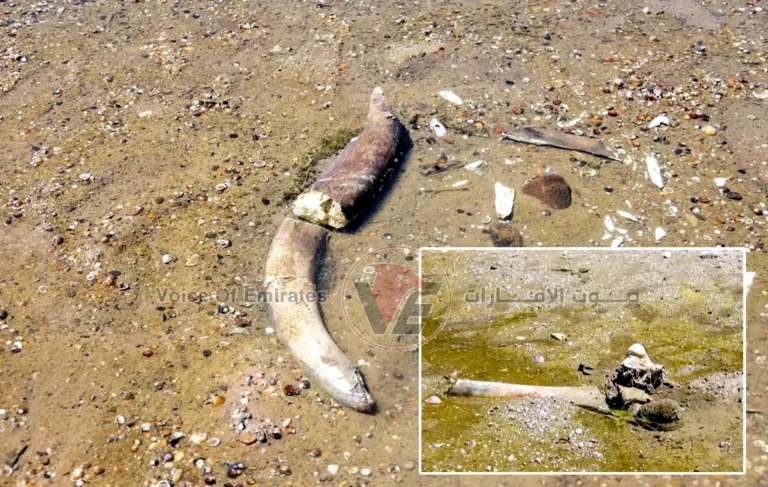
Archaeologists explained that the discovered remains include a relatively complete lower jaw,
two large tusks, and a bone believed to be part of a rib.
They confirmed that initial examinations indicate the remains belonged to a mammoth that roamed Europe during the Ice Age.
The discovery came after an unprecedented drop in the Danube River’s water level,
which exposed sections of the riverbed that had been unseen for decades,
allowing experts access to areas that had been submerged for extended periods.
Studying the causes of her death
A team of specialists began the work of documenting the remains and carefully transporting them to research centers,
where they will undergo careful analysis to determine their age, type,
and the environmental conditions in which they lived,
in addition to studying the causes of their death and how they settled at the bottom of the river.
The researchers indicated that these discoveries may provide important information
about the ancient climate and environmental changes witnessed in the Balkan region,
and also help in understanding the spread of mammoths in Europe during the last ice age.
The Danube River is one of the richest European sites in archaeological and natural discoveries,
as its low waters often reveal historical and fossil remains dating back to different eras,
making its banks and bottom an important source for researchers in the fields of archaeology and paleontology.