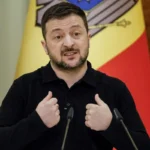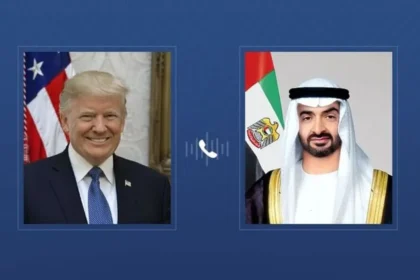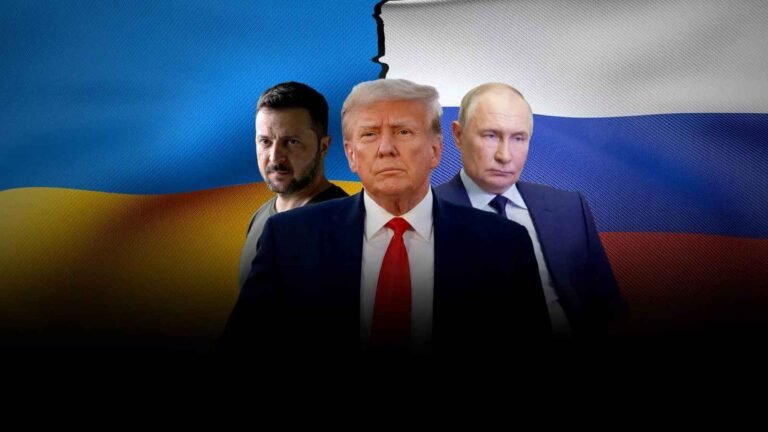
Washington, DC – In a move reflecting a renewed ambition to return to the forefront of international influence, US President Donald Trump announced that he had spoken directly with both Russian President Vladimir Putin and his Ukrainian counterpart, Volodymyr Zelensky. These contacts were aimed at exploring ways to resolve the Ukrainian crisis, which has persisted for over two years.
In media statements, Trump explained that the talks focused on “finding common ground” to halt the military escalation and open a negotiating path that could lead to an end to the conflict. He asserted that he possesses the “ability and experience” to manage this type of complex issue.
According to informed sources, the talks did not result in any final agreements, but included discussions on a temporary ceasefire, prisoner exchanges, and mutual security guarantees. These discussions took place amidst ongoing fighting on several fronts within Ukraine.
Observers believe Trump’s move is part of his efforts to bolster his domestic political standing, particularly with the upcoming elections. In this regard, he is attempting to present himself as a peacemaker capable of resolving one of the most complex crises on the international stage.
In contrast, neither Moscow nor Kyiv has issued official confirmations regarding the details of these talks, raising questions about their seriousness or their actual impact on the course of the conflict.
Experts point out that any initiative to resolve the Ukrainian crisis requires broad international consensus and complex security guarantees. Furthermore, the initiative needs to address the root causes of the conflict. Therefore, the chances of success for any individual mediation, even one led by a prominent political figure, depend on delicate balances.
These developments come at a time when the war continues to cast a shadow over the global economy and energy security. For this reason, the need for serious diplomatic efforts to contain the escalation and open a window for peace is paramount.