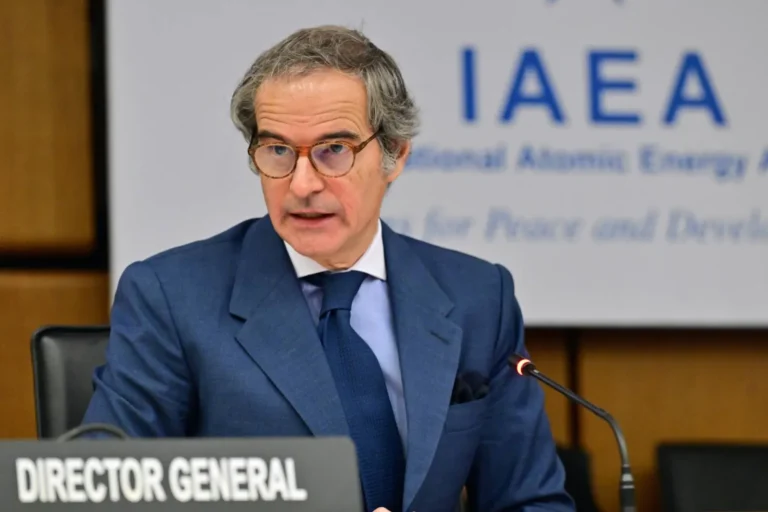
Damascus, Syria — International Atomic Energy Agency (IAEA) Director General Rafael Grossi announced the discovery of tons of nuclear material stored at a secret site in Syria linked to the covert program of former President Bashar al-Assad. Consequently, Damascus and the IAEA reached an agreement to secure and safely remove the stockpile. Furthermore, the initiative aims to eliminate radiological risks and prevent potential illicit material diversion.
Material Composition and Legacy Infrastructure
Reports indicate that the stockpiles located at “Site 99” contain yellowcake (uranium ore concentrate) alongside structural remnants associated with the Al-Kibar nuclear facility destroyed in 2007. Additionally, while the materials are not directly usable for nuclear weapons manufacturing, security analysts warn they present significant radiological and proliferation hazards if unmonitored.
The discovery follows decisions by Syria’s new administration to grant IAEA inspectors access to long-monitored nuclear sites. Consequently, this inspection marks a critical transition toward international oversight and nuclear verification.
Removal Framework and International Safeguards
The bilateral agreement between the IAEA and Syrian authorities outlines a logistics framework to extract and secure the materials under global safety protocols. Additionally, the Syrian Atomic Energy Commission confirmed its commitment to addressing past nuclear legacies while advancing civil, peaceful applications.
Finally, securing “Site 99” eliminates a persistent non-proliferation concern in the Middle East. Ultimately, international observers are closely monitoring the upcoming extraction operations to ensure complete adherence to IAEA safeguards.