Washington, DC – The US Southern Command announced Saturday that it had conducted a new military strike targeting a vessel in the eastern Pacific Ocean suspected of transporting narcotics. The strike resulted in the deaths of two people on board. This operation comes amid an unprecedented escalation of US military operations in the waters of Latin America and the Caribbean.
Bloody toll and heavy military presence
Since the Trump administration launched its campaign in early September 2015 to destroy alleged drug-trafficking vessels, at least 183 people have been killed in a series of air and sea strikes.
These attacks coincide with the United States building its largest military presence in the region in generations. This move paved the way for the high-profile raid last January, which resulted in the arrest of then-Venezuelan President Nicolás Maduro and his transfer to New York to face drug trafficking charges. Maduro continues to vehemently deny these charges, maintaining his innocence.
Documentation of the strike and legal criticisms
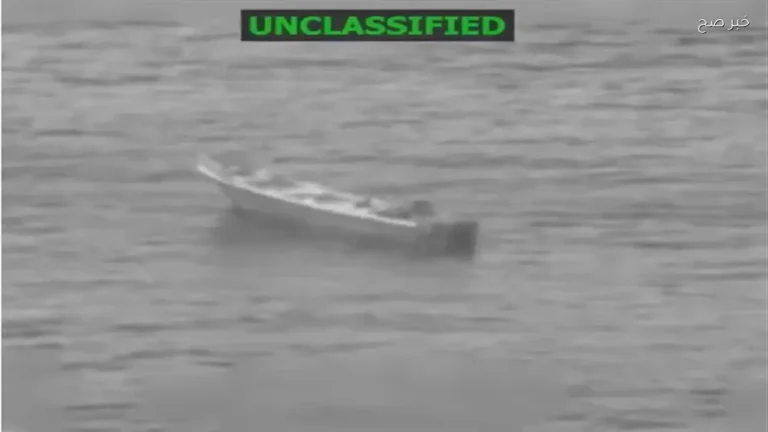
The Southern Command released a video on its X platform documenting the recent operation. The video shows a boat floating calmly before being struck by a massive explosion that engulfed it in flames and completely destroyed it.
In its statement, the Command claimed to have targeted “alleged drug traffickers” using traditional smuggling routes. However, the U.S. military has not yet provided any concrete evidence or data regarding the quantities of drugs the targeted boats were carrying in this operation.
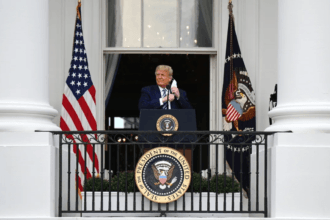
For his part, President Donald Trump defended these actions, asserting that the United States was now in a state of open “armed conflict” with drug cartels and gangs in Latin America. He also considered the destruction of boats at sea a “necessary escalation” to protect American national security and stop the flow of drugs into American cities.
Conversely, these operations sparked widespread skepticism among international law experts and human rights organizations, who criticized the lack of evidence and the legality of targeting boats in international waters without trials or prior investigations. They also argued that this strategy could open the door to widespread violations of international maritime law.