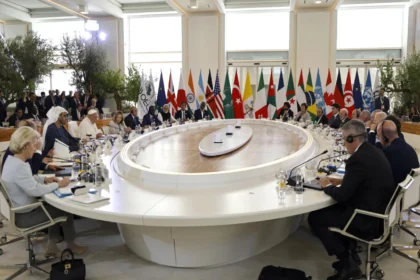
Tokyo, Japan – In a move that has sparked controversy within political and economic circles, Japan’s prime minister announced her refusal to resort to energy rationing policies, despite growing global concerns about disruptions to oil supplies as a result of increasing tensions in the Strait of Hormuz region.
The Japanese government stressed that its reliance on economic stability and industrial production necessitates maintaining energy consumption levels without imposing direct restrictions on citizens or productive sectors, even amid warnings of a possible rise in global fuel prices in the coming period.
This stance comes as global energy markets are experiencing anxiety, anticipating any escalation that could affect shipping and oil and gas supplies, especially through one of the world’s most important strategic sea lanes.
Within Japan, opinions were divided between those who saw the decision as reflecting the government’s confidence in the strength of the economy and its ability to absorb shocks, and those who warned that ignoring austerity measures could expose the country to future pressures if the global energy crisis worsens.
Observers believe that Tokyo is trying to send a message to international markets that it can manage the crisis without resorting to austerity policies, at a time when fears are growing about the widening turmoil in the global energy sector.