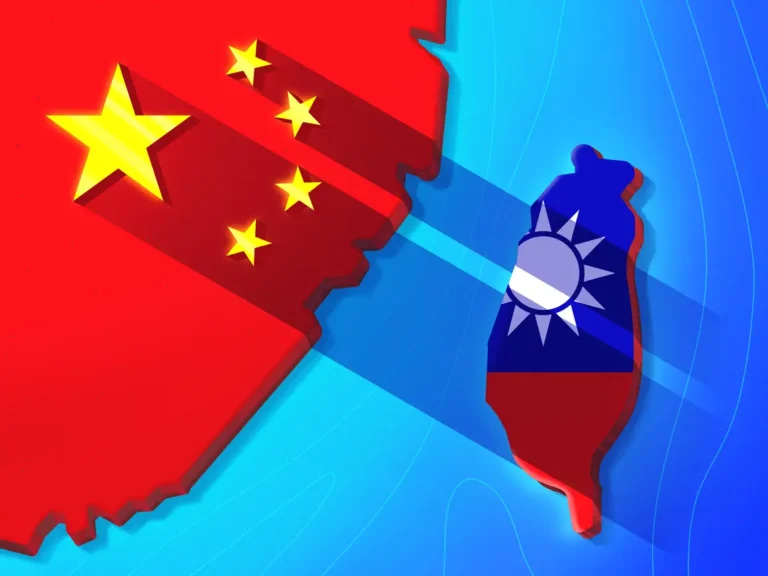
Taipei, Taiwan – A new diplomatic crisis has emerged in East Asia following the cancellation of a planned visit by the Taiwanese president to several African countries. The visit was intended to break the island’s international isolation and bolster its global presence. However, according to diplomatic reports, these efforts were thwarted by intense pressure from Beijing on several African governments. This pressure aimed to dissuade these governments from receiving the Taiwanese delegation.
China adheres to the “One China” policy, which considers Taiwan an integral part of its territory, and strongly opposes any official moves by Taipei to strengthen its international relations. This is particularly evident with countries that have close economic and strategic ties with Beijing. It appears that China’s economic influence in Africa played a decisive role in the visit’s failure. Many African countries rely on Chinese investments and projects in infrastructure and energy sectors.
Informed sources indicated that several countries on the itinerary expressed sudden reservations or requested postponements of the meetings. This came amid what were described as “sensitive political considerations.” Consequently, the cancellation was widely interpreted as a direct response to Chinese pressure. In contrast, no official confirmations were issued by those countries. However, the diplomatic silence bolstered this narrative.
Taiwan’s move comes amid a sustained effort to broaden its international recognition base. This comes as the number of countries officially recognizing Taipei has declined in recent years in favor of Beijing. Taiwan seeks to build informal partnerships through economic and technological cooperation. However, these efforts often run up against the wall of China’s growing influence.
Observers believe this development clearly reflects the escalating geopolitical competition between China and Taiwan, not only in Asia but also across global spheres of influence. Africa has become a new arena for this conflict, given its increasing economic and strategic importance.
Beijing, for its part, asserts that it is exercising its “sovereign right” to defend its territorial integrity. Taiwan, meanwhile, considers such pressure to be undermining the principle of free international relations and limiting its ability to engage with the international community.
Caught in this tug-of-war, the African continent remains at the heart of this delicate balance. Economic interests intersect with political calculations in a landscape that reflects the complexities of the evolving international order.