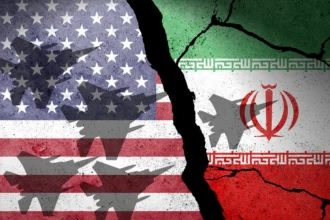
Washington, DC – In a military update reflecting the scale of the naval escalation in the Gulf region, US Central Command (CENTCOM) announced at 8:37 AM on Thursday that its naval forces had intercepted and ordered 31 vessels to turn back. This action was part of the ongoing blockade of Iranian ports.
Widespread compliance and disruption of power chains
US Central Command (CENTCOM) explained in a statement published on its X platform that the majority of the 31 vessels targeted were oil tankers attempting to breach the blockade or leave Iranian ports. The US military confirmed that “the majority of these vessels complied with US directives” and returned to port without any direct confrontations thus far. This indicates the tightening of US control over the shipping lanes leading to and from Iran.
A massive military buildup in the theater of operations
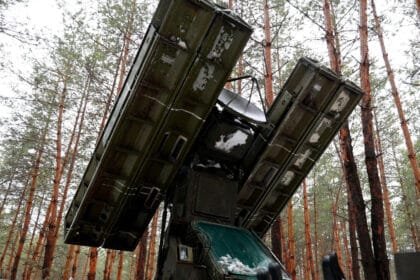
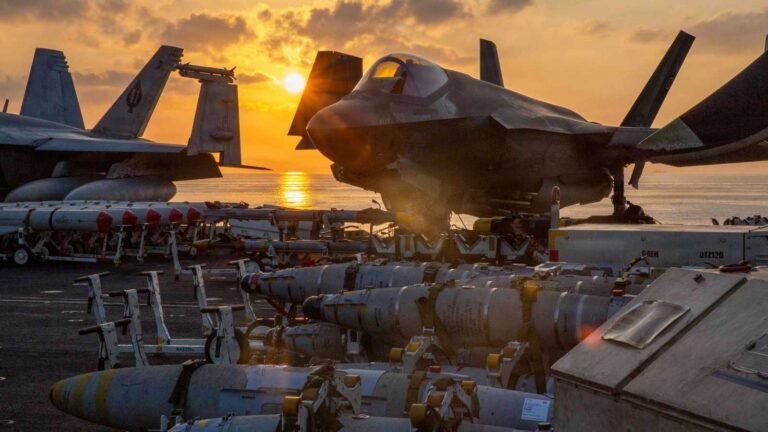
The statement revealed the size of the military force involved in enforcing this blockade, with the operation being managed by a massive force of more than 10,000 US troops. They are supported by 17 warships stationed at strategic points, in addition to more than 100 fighter jets and drones monitoring maritime movements around the clock. These actions are part of the “economic strangulation” strategy adopted by the administration of President Donald Trump. This strategy aims to extract political and nuclear concessions from Tehran.
The repercussions of the blockade on markets and the truce
This announcement coincides with Brent crude oil prices rising above $100 a barrel. Analysts believe that the US success in retrieving Iranian oil tankers will reduce global supply and exacerbate inflation.
This blockade also places immense pressure on the April 8th ceasefire. Tehran considers it a hostile act that contradicts the spirit of the ongoing negotiations in Islamabad. While Washington boasts of its ability to “direct” ships, the world awaits the reaction of the Islamic Revolutionary Guard Corps (IRGC). The IRGC has repeatedly warned that the continued blockade could trigger “Samson Option” operations in the Strait of Hormuz, threatening to derail Pakistani diplomatic efforts.