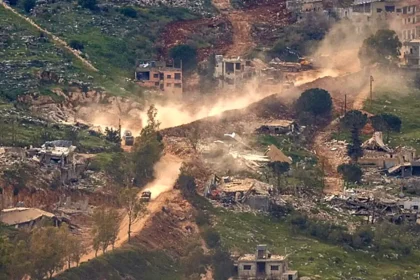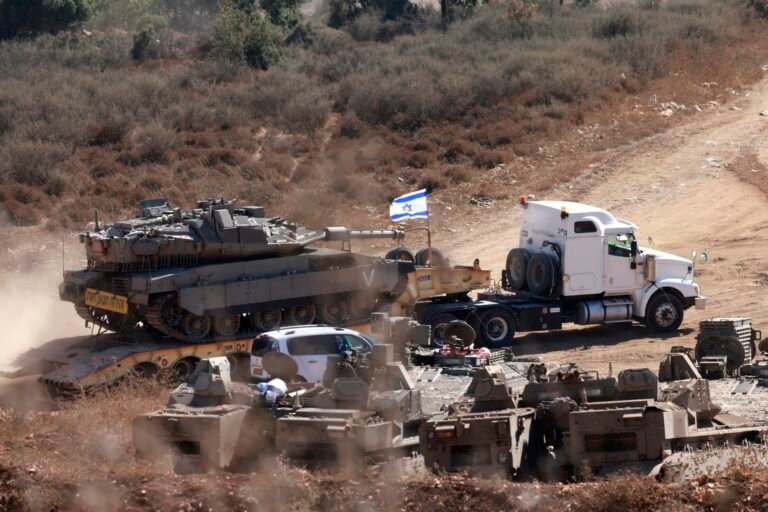
Tel Aviv, Israel – The Israeli military has renewed its stern warnings to Lebanese civilians, urging them to refrain from returning to their villages and towns in southern Lebanon “until further notice.” These warnings come amid a large-scale military buildup on both sides of the border and coincide with Israeli assertions that the area has not yet returned to a state that allows for normal civilian movement.
Adraee: Hezbollah’s actions are preventing the return
Avichai Adraee, the Israeli army spokesperson in Arabic, stated via the “X” platform that Israeli forces remain stationed in their operational positions inside southern Lebanon. This is in accordance with the terms of the ceasefire agreement, which grants the army the authority to monitor and respond.
Adraee attributed the continued prevention of civilians from returning to what he described as “Hezbollah’s ongoing terrorist activities” in the area. He emphasized that the proximity of residents to the operational zones poses a direct threat to their safety and the safety of their families.
Map of the “new security zone”
The Israeli army did not limit itself to verbal warnings; Adraee published a detailed map outlining what he called the Israeli army’s “new security zone.”
According to the new instructions, Lebanese citizens are prohibited from traveling south of the designated village line and the surrounding areas. The strict prohibition also extends to strategic and vital areas. The Israeli army forbids approaching the Litani River, Wadi Salahani, and the Saluki area. It declared that any movement within these areas would be met with an immediate military response, as it would constitute a violation of the security understandings.
Fears of prolonged displacement
These statements have raised serious concerns among thousands of displaced families who had hoped to use the truce to check on their homes and belongings. Observers believe that Israel’s insistence on maintaining its forces in forward positions and imposing a de facto “buffer zone” could transform the ceasefire into a prolonged state of “neither war nor peace.” This is hindering reconstruction efforts and the return to normalcy in southern Lebanon.
Amid this tension, the situation on the ground remains volatile and could erupt at any moment. This is especially true given the Israeli army’s confirmation that its forces will remain on high alert to respond to any suspicious movements. All of this leaves Lebanese civilians facing a harsh reality that prevents them from returning to their homes, despite the relative lull in fighting.