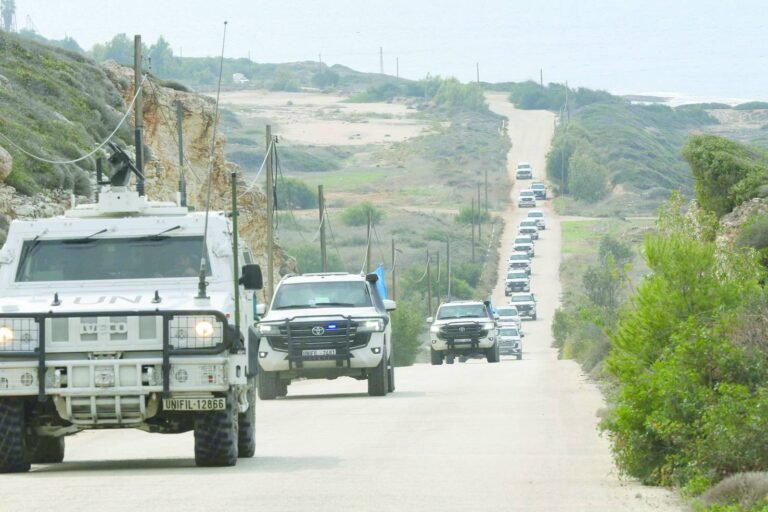
Beirut, Lebanon – In a pivotal development that will reshape the security and diplomatic landscape in Lebanon, Under-Secretary-General for Peace Operations Jean-Pierre Lacroix announced that the United Nations has begun exploring options for maintaining an official presence in Lebanon. This exploration will continue even after the mandate of the United Nations Interim Force in Lebanon (UNIFIL) expires at the end of this year.
Urgent recommendations to the Security Council
Lacroix explained at a press conference held in Geneva on Thursday, April 23, 2026, that the UN Security Council had formally requested the formulation of “options for a possible presence” of the international organization in the post-UNIFIL phase. The UN official also stressed that the Secretariat was committed to submitting these recommendations and proposals to the Security Council before June 1. This aims to ensure an alternative legal and operational framework that prevents a security vacuum in the border areas.
Context of change: pressures and a volatile field
This announcement comes at a time of heightened tensions and fragile ceasefire agreements on Lebanon’s southern border. This coincides with the naval and air blockade imposed by international and regional powers in the area.
Observers believe that the UN’s move to seek a new formula reflects an international recognition that UNIFIL’s mission, in its traditional form (Resolution 1701), has outlived its usefulness. Given the new military realities on the ground, the need arises for a “monitoring mission” or a “reinforced political presence” commensurate with the “security zones.” The Israeli army has begun enforcing these zones.
Challenges to sovereignty and stability
This move raises fundamental questions about the nature of the upcoming mission: Will it be a technical mission to monitor the border, or a force with broader powers that would overlap with the deployment of the Lebanese army?
The deadline of next June presents the Lebanese government and regional powers with an urgent need to agree on the “identity of the international presence.” This comes amid fears that the absence of a UN umbrella could lead the region to slide into a full-blown confrontation with no clear rules of engagement.