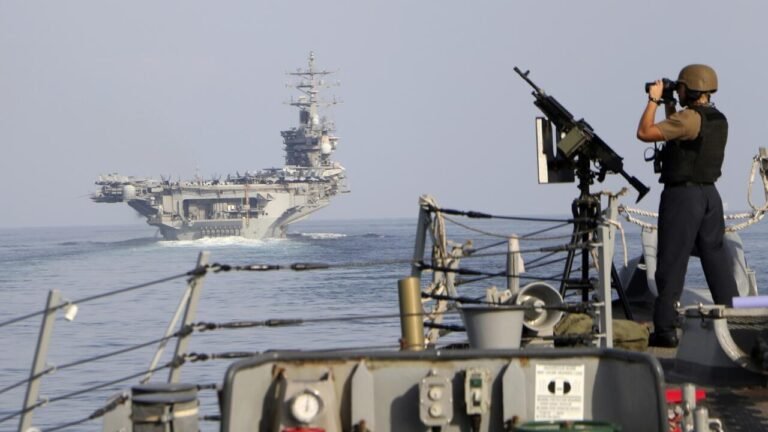
London, England – In a coordinated military and diplomatic move aimed at breaking the deadlock surrounding global energy shipments, Politico reports that Britain is preparing to send an advanced minesweeper to the strategic Strait of Hormuz.
This deployment is part of a multinational mission to clear the waterway and ensure the safe passage of oil tankers. It comes amid ongoing security concerns despite a ceasefire.
Naval mobilization and advanced technologies
The UK Ministry of Defence confirmed that elite Royal Navy divers have begun intensive preparations to conduct naval mine-clearing operations in the Strait of Hormuz. According to the report, British experts trained in neutralizing underwater explosives are working to integrate unmanned systems (robotic submarines) with human efforts. This is intended to broaden the scope of operations. The strategy aims to counter the new generations of smart mines that have recently been detected. This will give international forces more options to ensure the safety of merchant vessels and reduce risks to personnel.
Diplomatic warnings from Antalya
Earlier, British Foreign Secretary Yvette Cooper issued an urgent appeal for the full resumption of shipping traffic through the straits. Speaking to Reuters on the sidelines of a diplomatic forum in Antalya, Cooper warned that the vital waterway had not yet returned to normal. She noted that ship traffic remained below usual levels, putting continued pressure on the global economy and supply chains.
A call to Tehran to protect the “crucial moment”
Cooper described the current phase as a “critical diplomatic moment,” and explicitly urged Tehran to allow the resumption of normal maritime trade flows without restrictions. She emphasized that the resumption of navigation is not merely a regional matter, but a fundamental element for the stability of international markets.
The Secretary of State stressed that the ultimate goal is to transform the fragile ceasefire into a lasting peace. She asserted that securing strategic “choke points” such as the Strait of Hormuz must remain a top international priority. This, she argued, is essential to ensure that the region does not revert to a cycle of escalation.