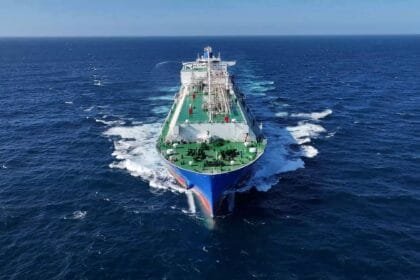
Washington, DC – US Central Command (CENTCOM) announced that at least 31 commercial vessels were forced to change course or return to port in recent hours. This comes amid escalating tensions related to Iranian activities in the Gulf region and the Strait of Hormuz, a vital artery for global energy and trade.
According to an official statement, these actions reflect the growing concern among international shipping companies. These companies face increasing risks due to the security escalation, amid reports of direct and indirect threats targeting the safety of navigation. CENTCOM also indicated that some vessels opted to turn back as a precautionary measure to avoid entering areas that could witness military confrontations or forced inspections.
These recent developments come against the backdrop of an escalating crisis between Tehran and Washington. The United States accuses Iran of attempting to impose a new reality in vital maritime routes by restricting shipping traffic or threatening escalatory measures. Tehran, for its part, denies any intention of closing the Strait but asserts that it possesses the means to respond should it face pressure or threats.
Energy experts believe that any disruption to shipping through the Strait of Hormuz could quickly impact global markets, especially since approximately one-fifth of the world’s oil supply passes through this waterway daily. They also warned that continued tensions could lead insurance companies to raise their premiums. This would increase shipping costs and put pressure on global supply chains.
In the same vein, international naval forces have intensified their presence in the region in an effort to reassure markets and ensure freedom of navigation. However, concerns persist, particularly given the lack of clear signs of an imminent de-escalation.
Between escalation and deterrence, the waters of the Gulf remain an arena open to all possibilities. Military calculations intertwine with economic interests, reflecting the fragile balance in one of the world’s most sensitive regions.