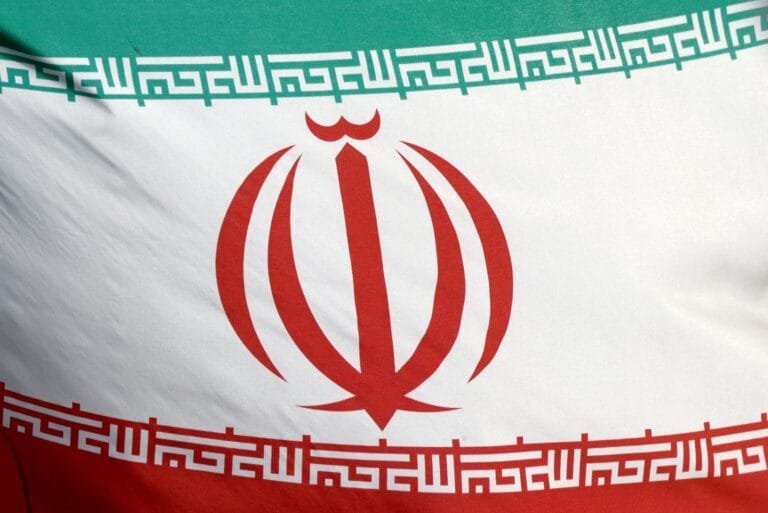
Cairo – International – The Iranian President confirmed in new statements that his country is not closing the doors of diplomacy. He explained that the possibility of an Iran-USA agreement remains valid and possible under specific conditions. Foremost among these conditions is respecting the rights of the Iranian people and lifting current pressure policies. The President stressed that Tehran is open to dialogue based on parity and justice. These messages come at a sensitive time witnessing international moves to calm the region. Tehran seeks through this speech to clearly define the framework for future negotiations.
Parity and Mutual Respect: Basis for Any Future Understandings
The Iranian President indicated that any understanding must move away from the language of threats. The possibility of an Iran-USA agreement depends on Washington changing its pursued political approach. He emphasized that his country will never accept what he described as “foreign dictates” in sovereign files. The Iranian side believes that mutual respect is the only key to the success of any negotiation round. This position aims to strengthen Tehran’s negotiating stance before Western powers in early 2026. Tehran insists that diplomatic solutions must guarantee its national interests first.
Nuclear and Sanctions Files Top the Obstacles to Political Rapprochement
The Iranian nuclear file still represents the biggest obstacle to the stability of international relations. The possibility of an Iran-USA agreement is closely linked to the imposed economic sanctions file. Additionally, regional influence issues and maritime security emerge as additional pressure elements on the dialogue table. International powers are currently seeking to contain escalating tension in the Arabian Gulf region. Tehran considers lifting sanctions as the true test of Washington’s intentions toward peace. Ensuring navigation security remains a fundamental point of contention requiring deep technical and political discussions.
Regional Diplomatic Moves to Contain Tension and Prevent Escalation
Analysts view the Iranian President’s statements as a serious attempt to reopen communication channels. The possibility of an Iran-USA agreement is bolstered by currently active regional and international mediations. This diplomatic movement aims to prevent the region from sliding into an uncalculated military confrontation. Neighboring countries and the international community monitor the results of these positive messages with great caution. The ultimate goal remains reaching a formula that ensures lasting stability in the Middle East. The scene remains dependent on how the US administration responds to these new Iranian conditions.