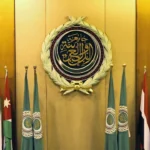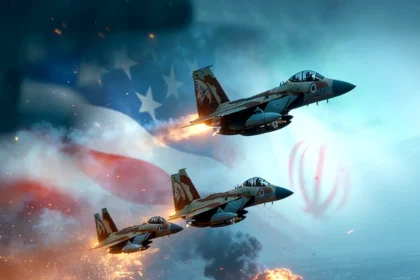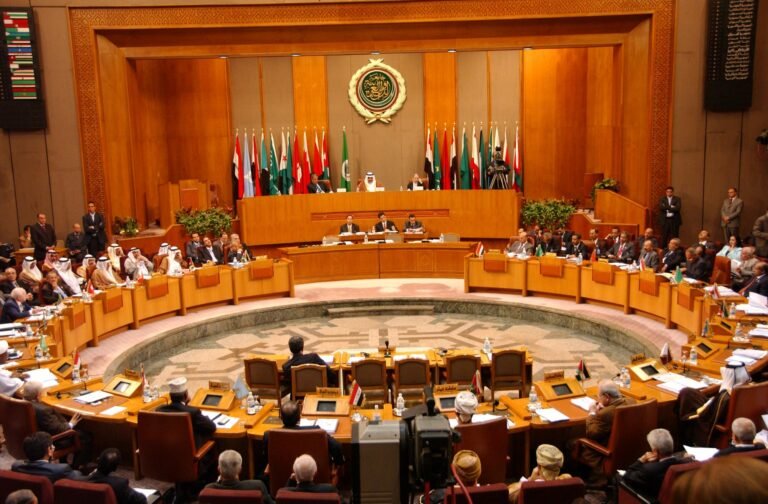
Cairo, Egypt – The Arab League warned of the dangerous repercussions of the ongoing military escalation in the Arabian Gulf region, calling on both the United States and Iran to take immediate action to de-escalate tensions and resume negotiations. The League emphasized that this move is urgently needed to prevent the situation from sliding into a wider confrontation that could threaten the security and stability of the entire region and exacerbate economic and humanitarian losses.
Warnings of a Widening Conflict and Economic Repercussions
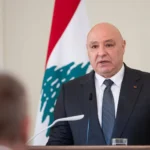
In a statement issued on Sunday, Arab League Secretary-General Nabil Fahmy warned that continued escalation threatens to plunge the region into a vicious cycle of mutual violence. Fahmy stressed that ongoing military confrontations could cause the situation to spiral out of control, resulting in further destruction and economic decline globally and regionally. He affirmed that the current phase requires prioritizing wisdom, realizing the grave consequences of military operations, and acknowledging that dialogue remains the only way to resolve differences between the parties.
Condemning Iranian Attacks and Protecting Arab Sovereignty
Taking a firm stance, the Secretary-General fully condemned the Iranian attacks targeting several Arab countries, describing them as “completely rejected and condemned.” Fahmy clarified that Arab states have already declared their unequivocal rejection of war and should not bear the brunt of this escalation or pay the price for its continuation. He added that the security and sovereignty of Arab nations are a top priority, warning that expanding the conflict poses a direct threat to the stability of the entire region, which requires urgent action to stop the cycle of violence.
Call for Adherence to the MoU and Protection of Navigation: The Secretary-General called for mutual commitment to the “Memorandum of Understanding” signed between Washington and Tehran last June as a starting point to restore calm. He stressed the importance of respecting freedom of navigation in the Strait of Hormuz in accordance with international law and UN Security Council resolutions. He strongly warned against using the strait as a pressure card or a means of economic blackmail, asserting that returning to the negotiating table is the only viable option to contain the current crisis and prevent the region from sliding into further instability.