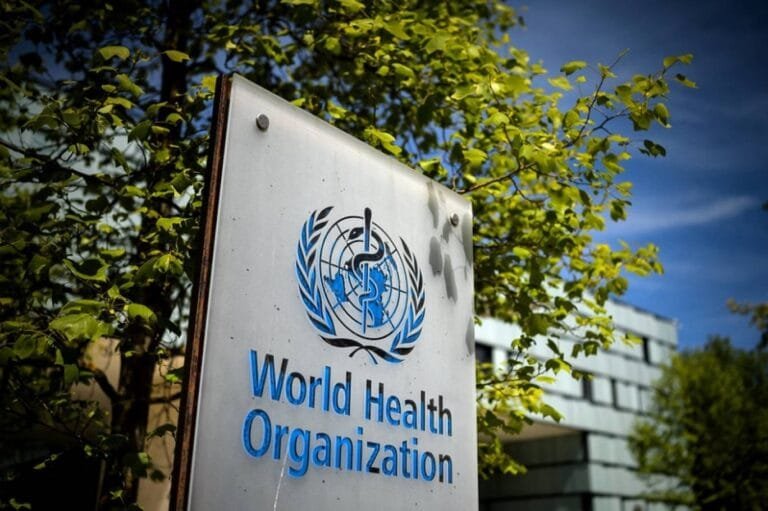
Geneva, Switzerland – The World Health Organization (WHO) announced that current epidemiological indicators suggest the Hantavirus outbreak could be officially declared over by July 2. This follows a significant decline in new cases and a stabilization of the health situation in areas affected by the disease in recent months.
The WHO confirmed that epidemiological surveillance teams are continuing to closely monitor the situation on the ground to ensure no new outbreaks emerge. It also noted that the preventive and health measures implemented have significantly contributed to limiting the spread of the virus and controlling the outbreak.
She explained that declaring an outbreak over is subject to strict scientific criteria, including a specific period of time without any new cases linked to known chains of infection. Additionally, it must be confirmed that all previous cases have been contained and contacts traced.
Hantavirus is a viral disease that is often transmitted to humans through exposure to the droppings of infected rodents or by inhaling contaminated particles in environments where these animals are present. In some cases, it can cause serious complications requiring specialized medical care.
During the outbreak, health authorities in affected countries, in coordination with the World Health Organization (WHO), strengthened epidemiological surveillance programs and enhanced hospital preparedness. Public awareness campaigns on prevention methods and ways to reduce the risk of infection were also intensified.
Despite the positive outlook, the WHO stressed the need for continued vigilance and strict adherence to surveillance measures. It also emphasized that the rapid detection of any potential cases remains crucial for maintaining the gains achieved and preventing a resurgence of the disease.
Public health experts believe that the approaching official declaration of the end of the outbreak is an encouraging development, reflecting the effectiveness of international cooperation and a swift health response. It also underscores the importance of early warning systems and epidemiological surveillance capabilities in combating infectious diseases and mitigating their impact on communities.