Caracas, Venezuela – In a scene reminiscent of some of the deadliest natural disasters in Latin American history, Venezuela awoke to a national tragedy after two devastating earthquakes struck the capital, Caracas, and surrounding areas. The initial death toll stands at a staggering 235, with more than 4,300 injured. These numbers are expected to rise rapidly as the search continues for thousands still missing under the rubble.
The Associated Press reported that the two earthquakes, measuring 7.2 and 7.5 on the Richter scale, which struck the country Wednesday evening, are among the most powerful in Venezuela in over a century.
In official statements, Venezuelan Health Minister Carlos Alvarado confirmed the scale of the tragedy, saying, “Unfortunately, we received approximately 235 patients who arrived at our health facilities deceased or died upon arrival,” while search operations continue under extremely difficult conditions.
Total destruction and horrific scenes
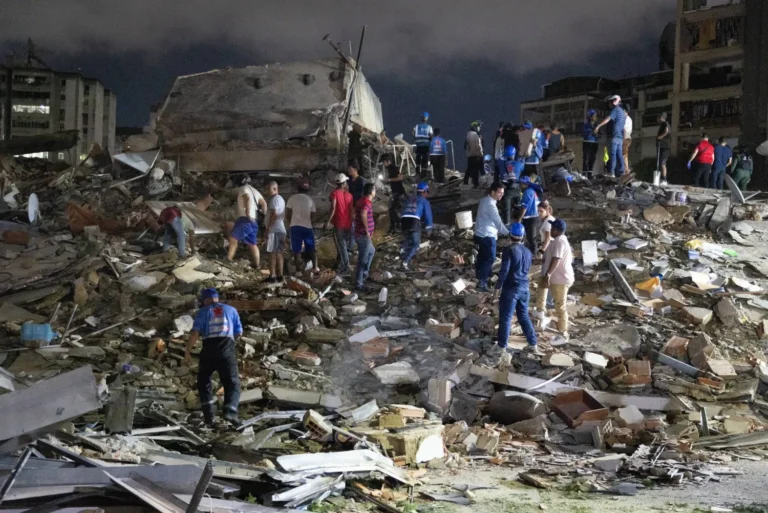
Satellite images of the affected areas revealed a dramatic transformation of the urban landscape; once bustling, densely populated neighborhoods were reduced to piles of rubble. In the coastal city of La Guaira, which suffered the most extensive damage, entire blocks of buildings were flattened, and streets became unrecognizable. The tremors were felt as far away as the Amazon rainforest in Brazil, reflecting the immense destructive power of this disaster.
A race against time amid severe shortages
Rescue teams, soldiers, and volunteers are working tirelessly to pull survivors from the rubble. Due to the delayed arrival of heavy equipment in remote areas, residents are forced to use their bare hands in desperate attempts to search for their loved ones.
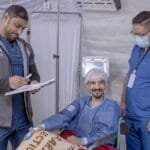
Meanwhile, the health sector in Caracas is under immense strain. At the José María Vargas Hospital, the injured are receiving first aid in the open air because there are no beds available. There are also reports of severe shortages of basic medical supplies such as gloves, painkillers, and gauze.
Emergency movements and a humanitarian crisis
In the aftermath of the disaster, Venezuela’s interim president, Delcy Rodríguez, declared a national emergency. She also approved a special fund of $200 million to finance urgent infrastructure reconstruction.
For its part, the United Nations warned of a “humanitarian crisis” requiring urgent international intervention and collective solidarity. This warning is particularly significant given that the country was already facing economic and social challenges before the earthquake, which has exacerbated the suffering of millions of Venezuelans.