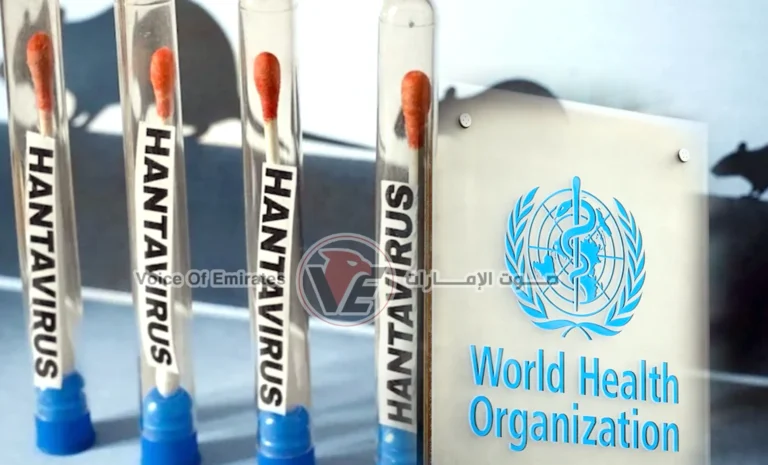
Geneva, Switzerland – The World Health Organization (WHO) has confirmed that the Hantavirus outbreak does not constitute an epidemic or a global pandemic.
It emphasized that the situation is under continuous health monitoring and that there are no indications of widespread transmission.
The WHO explained that the number of cases recorded so far remains limited.
It noted that the nature of the virus’s transmission differs from that of viruses that spread rapidly among humans.
Furthermore, the WHO confirmed that international health authorities are monitoring developments in coordination with the countries concerned.
Continuous health monitoring
The organization stated that epidemiological surveillance teams are continuing to monitor cases of hantavirus infection,
particularly after cases were recorded on a cruise ship in recent days.
This has raised concerns and questions about the potential spread of the disease.
It emphasized that preventive measures, including isolation, medical testing, and contact tracing,
are helping to contain infections and reduce the chances of transmission.
Nature of the Hantavirus
Hantavirus is typically transmitted from rodents to humans through inhaling contaminated particles or contact
with rodent droppings. Direct human-to-human transmission is extremely rare.
The virus causes symptoms ranging from fever and fatigue to muscle aches.
Some cases can progress to severe respiratory complications requiring intensive medical care.
Calls to avoid panicking
The World Health Organization (WHO) urged the public to avoid spreading fear or inaccurate information about the Hantavirus.
It emphasized the importance of relying on official data and approved health guidelines.
The WHO indicated that the current situation does not warrant imposing
widespread international restrictions or declaring a global health emergency.
However, it continues to assess developments regularly in collaboration with relevant health authorities worldwide.