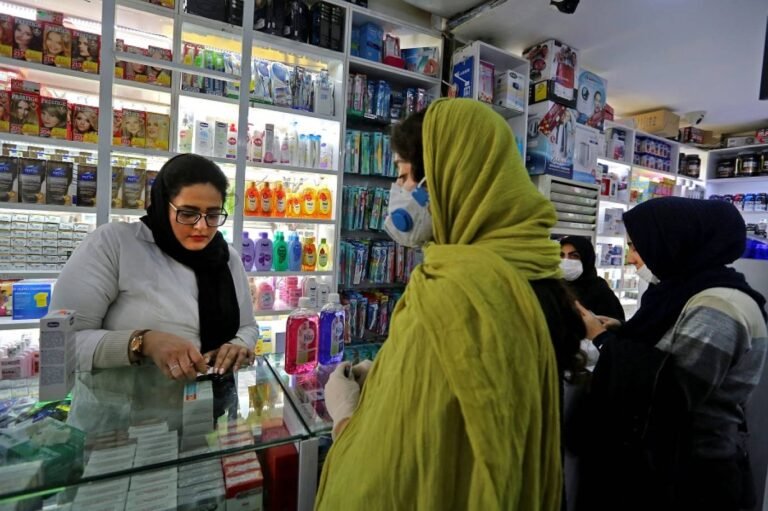
Tehran, Iran – The drug crisis in Iran is worsening dramatically, with severe shortages of many vital medications. This situation is posing serious health challenges for thousands of patients, amidst unprecedented price hikes and increasing difficulties in accessing treatment.
Local and international reports indicate that pharmacies and hospitals are experiencing shortages of medications for chronic diseases such as cancer, diabetes, and heart disease. There are also shortages of antibiotics and essential medical supplies. As a result, patients are resorting to expensive alternatives or the black market.
Observers attribute the worsening crisis to several factors, most notably economic sanctions that hinder the import of raw materials needed for drug manufacturing. Additionally, the devaluation of the local currency has significantly increased production and import costs, which has, in turn, driven up prices for consumers.
Local pharmaceutical companies are also facing challenges related to funding shortages and difficulties in securing foreign currency. This is impacting their production capacity and leading to a decline in market supply. Meanwhile, demand continues to rise.
Health sector experts have warned of the repercussions of the ongoing crisis, emphasizing that drug shortages could exacerbate illnesses and increase mortality rates. The risk is particularly acute for those with chronic diseases if urgent measures are not taken to regulate the market and ensure adequate supplies.
Amid these circumstances, calls are growing within Iran for swift government intervention to guarantee the availability of medicines at affordable prices. There are also demands for stricter market oversight to prevent monopolies and price gouging. Furthermore, there are calls to explore alternative solutions to meet the healthcare sector’s needs in the face of increasing economic pressures.