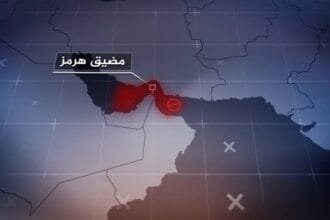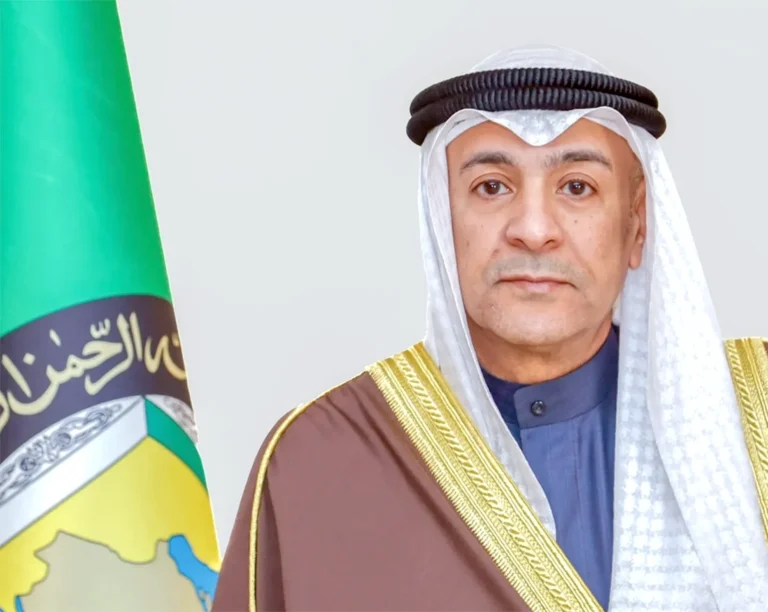
WAM, Voice of the Emirates – Jassem Mohammed Al-Budaiwi, Secretary-General of the Gulf Cooperation Council (GCC), emphasized the pivotal role of the Arabian Gulf region and the Strait of Hormuz in the stability of the global economy.
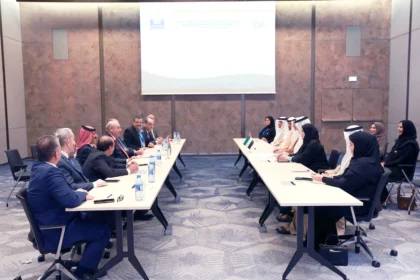
During his participation in the leaders’ meeting with regional partners in the Cypriot capital,
he stressed the GCC states’ commitment to protecting freedom of navigation.
He affirmed their commitment to ensuring the flow of international trade in cooperation with the international community.
However, he warned of the grave repercussions of any threat to the security of the Strait.
Gulf demands for a comprehensive solution
The Secretary-General explained that de-escalation in the region requires dialogue and serious negotiation.
He noted that the GCC states maintain a firm position that any future solution with Iran must go beyond technical aspects.
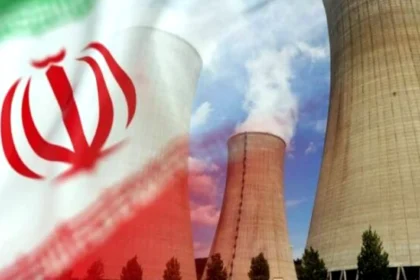
Therefore, he called for a comprehensive approach to addressing Iran’s nuclear program and ballistic missile program.
Furthermore, the destabilizing activities of its proxies in the region must be brought to an end.
The goal is to ensure sustainable regional security that protects the interests of all parties involved in the Gulf partnership.
Protecting European energy security
Al-Badawi highlighted the close link between maritime security in the Strait of Hormuz and energy security in Europe.
He explained that any disruption to this vital artery would directly impact critical sectors such as aviation and industry.
He called for enhanced logistical cooperation through the development of alternative energy transport routes,
including pipelines, rail links, and air transport.
This would contribute to establishing integrated strategic connectivity channels
that strengthen the resilience of infrastructure between the GCC countries and the European Union.
Gulf-European Summit Aspirations
The Secretary-General expressed the GCC states’ anticipation of holding the second summit with the European Union this year.
This summit will serve as a vital platform for resolving important economic and legal issues,
most notably the free trade agreement and the exemption of GCC citizens from the Schengen visa requirement.
The summit will also discuss prospects for cooperation in digital transformation, clean energy, and mutual investments,
thus establishing a new phase of economic and political integration between the two sides to address shared international challenges.