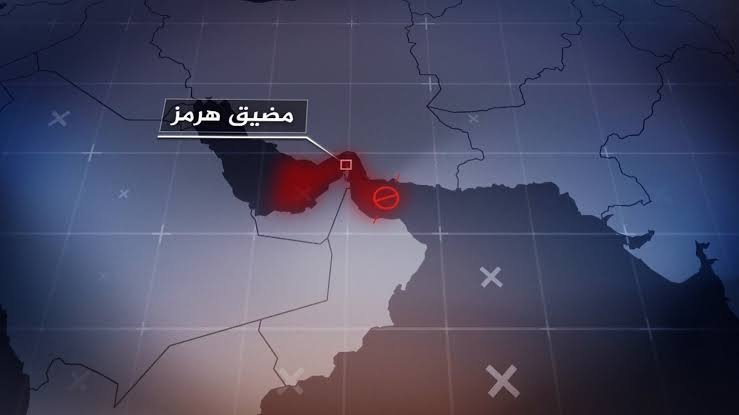
Munich, Germany – In light of the repercussions of recent disruptions caused by military tensions between Iran and the United States, the world’s attention is focused on the Munich, Germany – Strait of Hormuz. “Allianz Research” has revealed figures reflecting the scale of paralysis that has struck global trade. Approximately 1,150 commercial ships are standing in line, carrying goods with an estimated total value of $125 billion, awaiting the resumption of transit through this strategic waterway.
Massive Cargoes and Thousands of Stranded Sailors
Statistics issued by the company clarified that the fleet of stalled ships, each exceeding a gross tonnage of 100 tons, carries nearly 29 million tons of various goods. The impact is not limited to material losses and delayed supply chains; it also extends to the human aspect. The number of sailors stranded aboard these ships is estimated at around 20,000 personnel, embodying the deep impact of the crisis on one of the world’s most important maritime trade arteries.
Restoring Trust Requires Strict International Guarantees
Allianz Research emphasized that announcing a ceasefire agreement and fully reopening the strait will not be enough on its own to return navigation to its previous normal levels, which recorded the transit of about 140 ships daily. It pointed out that restoring these rates requires providing strong international guarantees ensuring safe passage. Security concerns regarding the safety of lives and vessels constituted the biggest challenge for shipping companies during the crisis, surpassing the obstacles related to marine insurance costs.
UN Efforts to Evacuate Ships and Normalize Operations
Although marine insurance services continued to be provided during the conflict—albeit at a higher cost due to rising premiums resulting from escalating risks—international action has become an urgent necessity. In this context, the UN’s International Maritime Organization (IMO) has begun implementing an emergency plan to evacuate hundreds of ships stuck in the Gulf region, carrying about 11,000 sailors. This step capitalizes on the ceasefire agreement and aims to accelerate the resumption of shipping traffic and normalize commercial operations through the Strait of Hormuz.