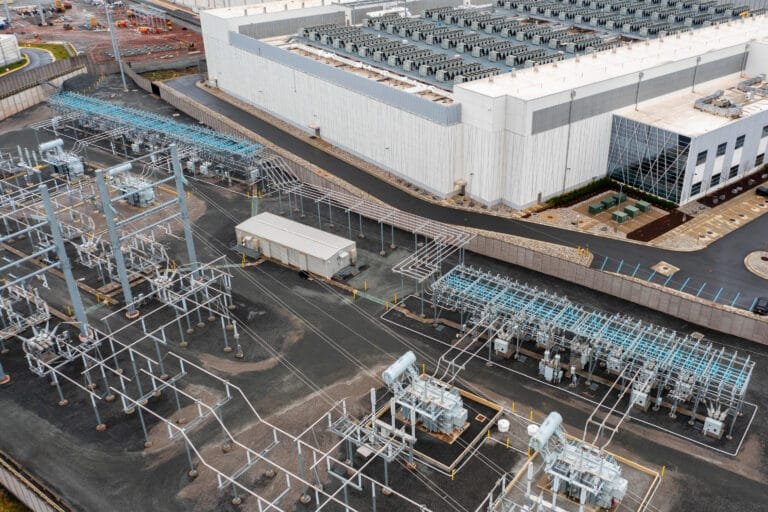
Washington, United States – Regulatory authorities in the United States have taken decisive steps to expedite the delivery of electricity to artificial intelligence data centers. This move comes as part of intensive national efforts to support the rapid growth of this vital technological sector and ensure its unprecedented energy needs are met in the coming years.
Structural Reforms to Expedite Connections
The Federal Energy Regulatory Commission (FERC) has issued urgent directives to power grid operators nationwide, compelling them to clarify their mechanisms for accelerating the connection of massive data centers to the grid, or to immediately modify current rules to ensure greater flexibility and speed in executing these complex operations. FERC Chair Laura Swett emphasized that these directives represent a historic and pivotal step toward modernizing American electricity markets, while remaining fully committed to protecting consumers by ensuring a fair distribution of costs and maintaining the reliability and stability of electrical services.
Anticipated Surge in Energy Consumption
Current estimates indicate that data centers consume approximately 5% of all electrical energy in the United States. With the massive expansion in the use of generative AI technologies, this figure is expected to jump to between 9% and 17% by the year 2030. This skyrocketing increase is attributed to the operational nature of these centers, which rely on running thousands of servers and advanced processing units, requiring immense amounts of power alongside sophisticated and costly cooling systems that operate around the clock.
Infrastructure Challenges and Future Horizons
The proposed reforms include expediting network connection approvals and studies, developing more efficient operational mechanisms to accommodate additional electrical loads, and regulating modern projects that integrate data centers with their own dedicated power generation facilities on a single site. Despite widespread appreciation for these regulatory steps, experts warn that speeding up paperwork alone will not be sufficient to avert a potential energy crisis. They stress the urgent need to inject massive investments into the generation sector and upgrade aging grid infrastructure. Observers agree that the directions adopted by regulatory bodies and major tech companies in the near term will be the deciding factor in determining the American energy sector’s ability to keep pace with the smart revolution.