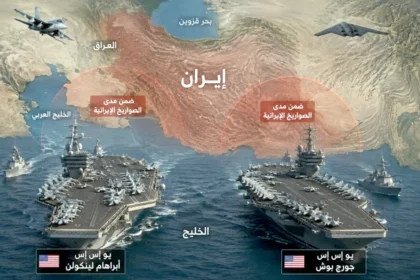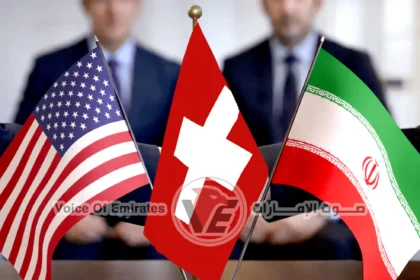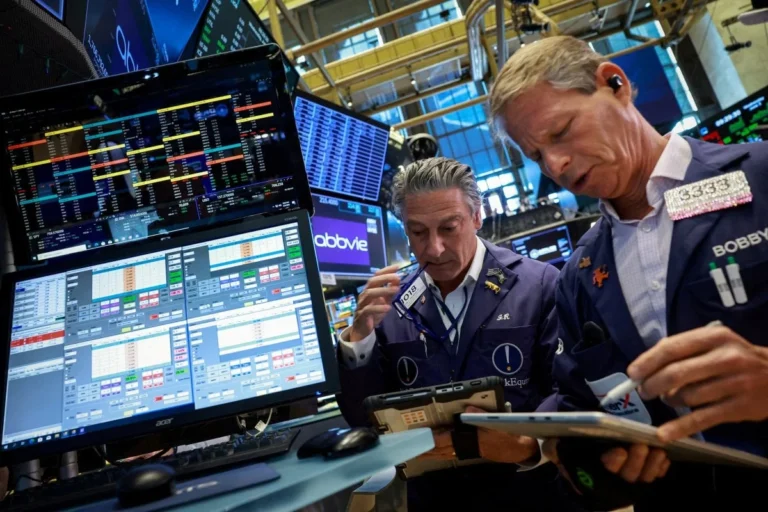
London – United Kingdom – European stocks closed the week on a notable decline, snapping a four-week positive winning streak. This downturn was driven by broad sell-offs targeting technology shares, coinciding with renewed geopolitical tensions between the United States and Iran. These developments immediately impacted oil markets and sparked investor anxiety regarding the stability of global energy supplies.
Technology Leads Market Losses
The pan-European STOXX 600 index fell by 1.8% over the week, as investors quickly scaled back their positive bets on a near-term resolution to the energy supply crisis amidst escalating events in the Middle East. Technology stocks led the downward trend, with the sector’s index dropping by 1.3% during Friday’s trading session alone, extending its weekly losses to 1.8%. This was heavily influenced by intensive sell-offs affecting major tech companies.
Mixed Sectoral Performance and a Shift to Safe Havens
In contrast to the technology sector’s negative performance, some other sectors demonstrated clear resilience and posted positive gains. The telecommunications sector achieved solid gains, with shares rising by 1.3%, while the travel and leisure sector recorded a 1% increase, primarily supported by strong gains in airline stocks. This mixed performance reflects the prevailing caution among investors, which has led to a reallocation of liquidity toward defensive and service sectors as a form of hedging, at the expense of more volatile sectors like technology.
Geopolitical Tensions Impose Future Pressures
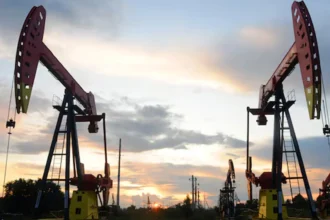
This sudden decline in European markets comes just one day after temporary gains supported by the technology sector. However, the swift return of tensions between the US and Iran brought a pessimistic atmosphere back to the trading floors, especially given the immediate impact of these tensions on oil prices and expectations for stable energy supply chains.
Market analysts and traders believe that the ongoing geopolitical uncertainty in the Middle East will keep European markets under continuous pressure in the foreseeable future. Investors are cautiously watching for any new political or military developments that could negatively impact energy markets and the broader global economy.