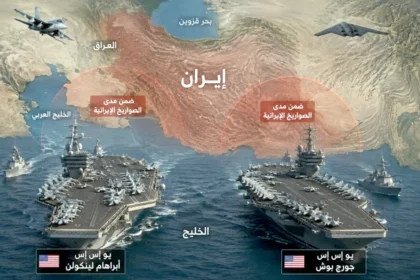
London – United Kingdom – Oil prices concluded the week with strong gains, overcoming a slight decline during Friday’s trading session. This positive performance was driven by growing market fears regarding the collapse of the truce and renewed confrontation between the United States and Iran, along with the severe disruptions this could cause to global crude supplies, especially given the ongoing threats to commercial navigation in the Strait of Hormuz.
Notable Weekly Gains for Both Benchmarks
Energy markets witnessed successive increases throughout the week. Brent crude recorded weekly gains of approximately 5%, closing at $76.01 per barrel. Concurrently, US West Texas Intermediate (WTI) crude rose by about 4% over the same period, settling at $71.41 per barrel. This performance clearly reflects the sustained and increasing geopolitical risk premium that investors are pricing into energy markets. Despite the limited pullback at the close of the week’s sessions, prices successfully maintained their overall gains, supported by persistent concerns over the security of global supplies amidst the rapidly unfolding developments in the Middle East.
Geopolitical Tensions in the Strait of Hormuz Support Prices
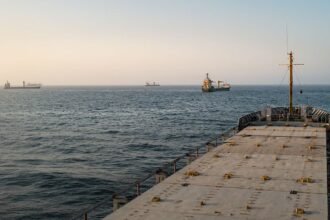
The upward market movements coincided with escalating tensions between Washington and Tehran, alongside sharp exchanges regarding the security of navigation in the Strait of Hormuz. This strait is considered the most vital artery for transporting oil and gas worldwide. Traders and economic analysts believe that any actual or potential disruption to tanker traffic or oil supplies flowing from this strategic region will inevitably increase pressure on global markets. This scenario is preemptively pushing investors to hike the risk premium added to baseline crude prices.
Cautious Anticipation for Markets and Energy Supplies
In the coming week, the attention of global markets will turn toward political and military developments in the Middle East, in addition to anticipating any updates regarding relations and negotiations between the US and Iran, given their immediate and direct impact on global supply forecasts. Investors are also awaiting the release of new economic data and indicators measuring global energy demand. Expectations lean toward continued volatility in oil prices, particularly if regional tensions persist or if the region witnesses any new wave of escalation that could threaten crude flows through strategic maritime corridors.