
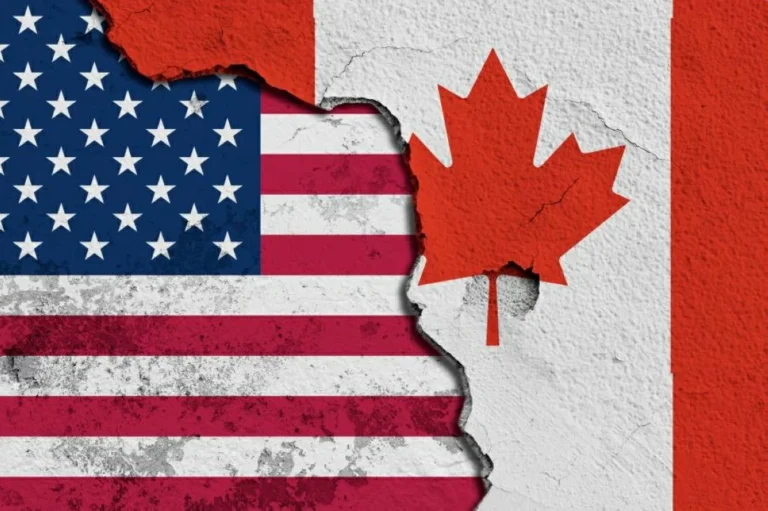
Ottawa, Canada – Trade relations between the United States and Canada are heading toward a new round of escalation. This comes after Ottawa announced its commitment to retaliating against the tariffs imposed by the administration of US President Donald Trump. Canada confirmed it will take countermeasures on a dollar-for-dollar basis. The Canadian stance follows escalating disputes between the two countries over trade policy. After the US tariffs affected a number of Canadian exports and products, the Ottawa government moved to protect its economic interests and sought to support the affected sectors.
The Canadian government has confirmed that its response will not be merely symbolic. It will include retaliatory trade measures targeting American goods and products. This is an attempt to offset the losses that Canadian companies and sectors may incur as a result of the new tariffs. Furthermore, this tit-for-tat escalation threatens to cast a shadow over one of the world’s largest trading relationships. Washington and Ottawa are bound by a vast network of economic interests and shared supply chains. Therefore, any increase in tariffs will have a direct impact on businesses and consumers in both countries.
Economists believe that the continuation of the tit-for-tat tariff policy could lead to higher production costs and increased prices for a number of goods. It could also cause a decline in trade and investment between the two countries, especially if the range of targeted products expands in the coming period. While Canada continues to seek new markets and trade partnerships to reduce its dependence on the US market, the possibility of reaching an understanding to end the crisis remains. However, it faces a difficult test given the entrenched positions of both sides. While Trump champions the protection of the American economy, Canada appears determined not to let the tariffs go unanswered. Thus, the trade disputes between the two neighbors are escalating into open confrontation, which may witness further escalatory measures in the coming period.