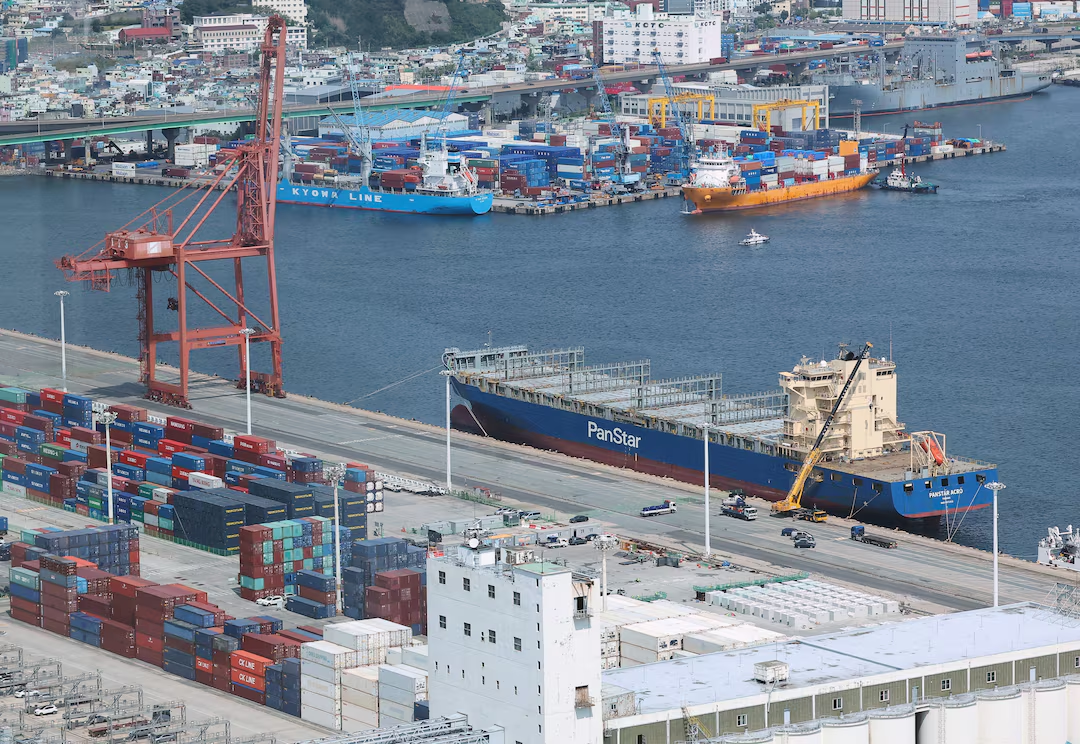
Seoul, South Korea — South Korea launched a landmark trial voyage using the Northern Sea Route to transport commercial cargo to European ports. This strategic initiative aims to evaluate the commercial viability of Arctic maritime transit. Furthermore, Asian exporters are actively seeking alternative shipping corridors amid ongoing security tensions and global navigation disruptions across traditional trade lanes.
Commercial Viability of the Northern Sea Route
According to South Korea’s Ministry of Oceans and Fisheries, the container vessel departed from Busan to sail along the northern Russian coastline. In addition, the planned journey includes stops at British, Dutch, and Polish ports before returning home. Consequently, the Arctic shortcut significantly reduces transit times and distances compared to routes passing through the Suez Canal or around the Cape of Good Hope.
However, commercial reliance on the Northern Sea Route remains strictly tied to seasonal ice conditions during summer months. Despite operating in extreme polar environments, shipping operators consider the Arctic passage a viable strategy to lower fuel consumption. Therefore, maritime agencies are analyzing performance data to determine whether regular seasonal schedules can be established.
Global Navigation Tensions Drive Arctic Interest
Geopolitical instability in the Middle East has forced many commercial vessels to divert away from the Red Sea. As a result, international shipping companies face increased operational costs and extended delivery times. Meanwhile, other Asian economies like China have already initiated regular container services across Arctic corridors to maintain steady trade flows with European partners.
Ultimately, Asian nations aim to diversify maritime transport networks to protect supply chains against unexpected regional crises. As global trade friction continues, polar passages offer significant strategic advantages for international commerce. Moving forward, the long-term success of Arctic shipping depends on infrastructure developments and climate predictability.