Washington, DC – Oil prices surged on Tuesday, fueled by global concerns over stalled efforts to end the conflict in the Middle East. This has exacerbated the risks to energy supplies. The price increase followed Iran’s announcement of its intention to adopt a “fully offensive” military posture. Simultaneously, the United States ruled out extending the temporary ceasefire agreement. As a result, these developments have diminished hopes for a swift return to stability in the region.
Market figures and indicators
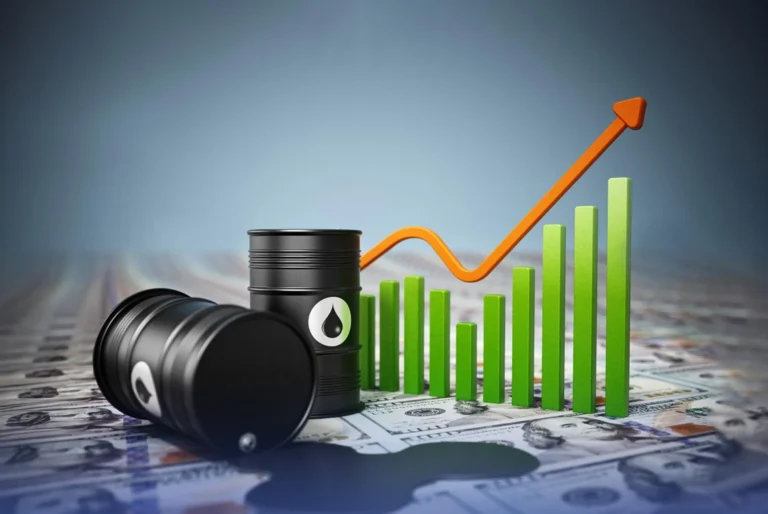
Brent crude futures rose 27 cents to $91.14 a barrel, nearing their highest levels since late July. West Texas Intermediate (WTI) crude futures also climbed 42 cents to $85.04 a barrel, having earlier reached their highest level in more than two weeks. Meanwhile, Tim Waterer, senior market analyst at KCM, noted that escalating tensions in US-Iranian relations continue to dominate the market. He emphasized that reopening the strategic Strait of Hormuz remains a distant prospect, particularly given the unprecedented decline in shipping traffic.
The Strait of Hormuz and Bab el-Mandeb: Fears of supply disruptions
Ship-tracking data from Kpler underscores the scale of the crisis. Traffic through the Strait of Hormuz has plummeted to extremely low levels. No ships were recorded on Sunday, compared to 31 over the previous weekend. These concerns are compounded by ongoing Houthi attacks in the Red Sea. The rebels have claimed to have targeted Saudi warships with missiles. This reinforces the narrative that control of vital waterways is at the heart of the global supply crisis.
Meanwhile, diplomatic efforts remain shrouded in uncertainty. While Iran negotiates with Oman over the management of the Strait of Hormuz, these moves have been met with sharp threats from the United States. Conversely, media reports suggest the possibility of secret channels of communication between the Trump administration and the Iranian Revolutionary Guard. This could represent a glimmer of hope amidst this escalating conflict.