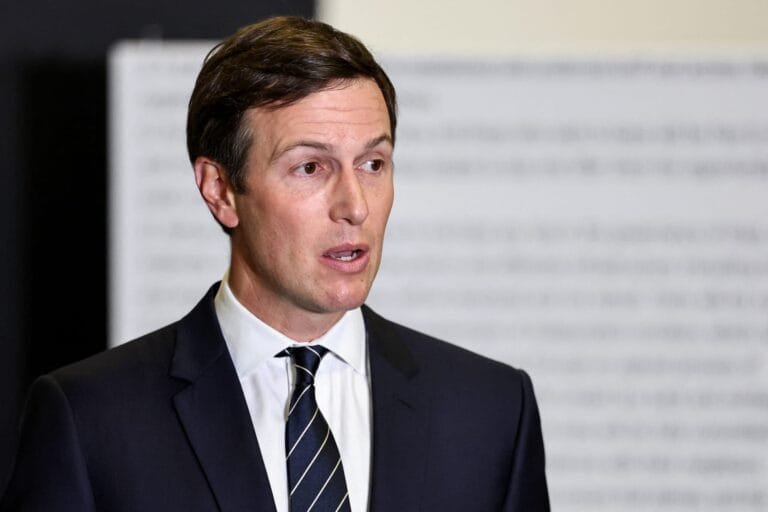
Cairo, Egypt – Jared Kushner, US President Donald Trump’s envoy, revealed new details about his meeting with representatives of Hamas in Cairo. This comes as part of US efforts to advance negotiations to end the war in the Gaza Strip. These efforts also aim to reach new arrangements for the next phase. Kushner said the talks focused on several key issues, most notably the future of the Gaza Strip and security and political arrangements. In addition, they discussed the issue of Hamas’s weapons, which remains the most significant obstacle to reaching a comprehensive agreement between the parties involved.
The US administration is seeking to advance the Trump plan through a phased agreement that would pave the way for a ceasefire. This includes restructuring the security situation in the Gaza Strip and establishing a civilian administration. Furthermore, the plan aims to launch a large-scale reconstruction effort and improve the humanitarian situation. However, the issue of disarmament faces deep disagreements, as Israel considers the dismantling of Hamas’s military capabilities a prerequisite for any agreement. Hamas, on the other hand, links any arrangements regarding weapons to a cessation of hostilities, an Israeli withdrawal, and guarantees concerning the future of the Gaza Strip.
According to Kushner, Washington is attempting to overcome these disagreements by implementing the agreement in stages. Each side commits to specific measures in exchange for reciprocal steps from the other. This aims to build trust and keep negotiations going. The meetings in Cairo are part of a broader US effort to prevent the collapse of the negotiating process. This effort is further bolstered by continued international pressure to end the war, facilitate the delivery of humanitarian aid to the Gaza Strip, and create the conditions necessary for reconstruction.
Cairo holds particular importance in these developments, given its ongoing role in communications related to Gaza and its hosting of rounds of negotiations between the various parties. Meanwhile, the US administration is attempting to transform these current contacts into practical and implementable understandings. At the same time, the Trump administration faces significant challenges concerning the future of Hamas’s weapons and the form of governance that will be established in the Gaza Strip. Furthermore, there are challenges related to the Israeli military presence and the security and political guarantees required from the various parties. All eyes are now on the outcome of Washington’s ongoing communications. The question remains whether these efforts will succeed in narrowing the gap between Hamas and Israel, and whether the proposals put forward will be transformed into an agreement that paves the way for a ceasefire and the beginning of a new phase in the Gaza Strip.