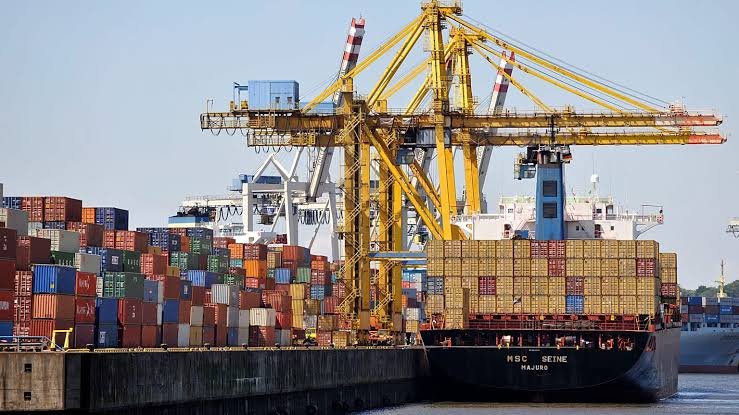
Berlin, Germany – The trade balance between Germany and China has widened further in Beijing’s favor, with the German trade deficit reaching approximately €55 billion. This comes amid a decline in Berlin’s exports to the Chinese market. Moreover, there is a continued influx of Chinese imports into Europe’s largest economy.
The rising figures reflect the increasing pressure on German companies, particularly in key industrial sectors. This comes at a time when the Chinese market is experiencing growing competition from domestic companies. Specifically, Chinese firms have become more powerful in the technology, automotive, and industrial equipment sectors.
German exports to China have declined significantly recently, while imports from China have continued to rise. As a result, this has widened the gap between what Germany exports to the Chinese market and what it imports from it.
This development comes at a time when German industry is facing multiple challenges, most notably rising energy costs. Furthermore, it is also suffering from weak external demand and increasing global competition. In addition, there are transformations taking place in the automotive sector with the rapid shift towards electric vehicles.
China is one of Germany’s most important trading partners. German companies rely heavily on the Chinese market for their cars, machinery, equipment, and industrial products. Conversely, the German market is heavily dependent on Chinese products in the electronics, electrical equipment, industrial goods, and consumer goods sectors.
Observers believe that the widening trade deficit highlights the shift in economic relations between the two countries. For years, German companies enjoyed a strong position in the Chinese market. However, now Chinese companies are becoming increasingly competitive with German products both within China and in global markets.
Berlin simultaneously faces a difficult dilemma: maintaining its trade relations with Beijing while also seeking to reduce its over-reliance on Chinese imports. Furthermore, it aims to diversify its supply chains and foreign markets. This is part of a policy aimed at mitigating economic and strategic risks.
German businesses fear that a continued decline in exports to China will increase pressure on industry. This concern is heightened by the continued weakness of the European economy and the slowdown in global demand.
The widening trade deficit with China is a further indicator of the significant changes occurring in the global trade landscape. It also demonstrates the difficulty Germany faces in regaining its previous levels of industrial growth in the face of increasing Chinese competition.