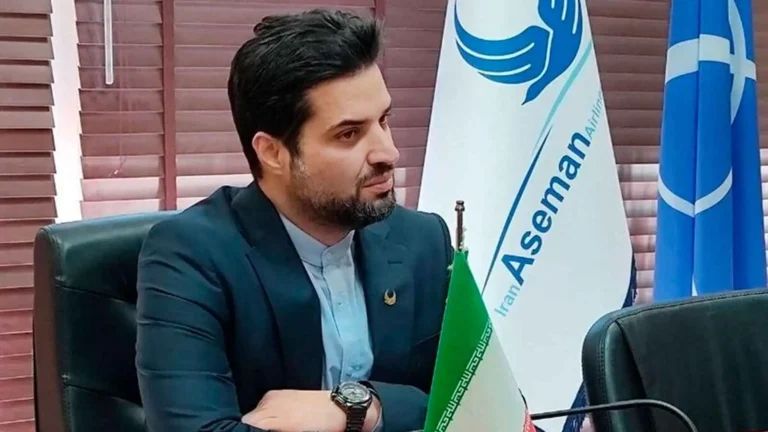
Tehran, Iran – The head of Iran’s Civil Aviation Organization, Abuzar Shiroudi, revealed details of Tehran’s strategy to protect its air fleet during the recent “40-day war.” He confirmed that American and Israeli threats prompted Iranian authorities to implement a comprehensive emergency plan. The plan included distributing and relocating aircraft to ensure their safety from targeting.
International deployment of the air fleet
On Tuesday, June 16, Shiroudi announced that permits had been issued for the transfer and deployment of 36 Iranian aircraft to airports in foreign countries. He also indicated that “some of these operations have been successfully carried out.” While the Iranian official declined to disclose the destinations of these aircraft, previous reports by CBS News in mid-May indicated that Pakistan was hosting Iranian aircraft at Nur Khan Air Base near Rawalpindi. Their presence there provided effective protection from air attacks. The Pakistani Foreign Ministry at the time quickly dismissed the report as “misleading,” but did not deny the presence of these aircraft on its territory.
“Distraction” strategy within local airports
In reviewing the security measures, Shiroudi explained that Iranian military and defense institutions implemented a “dispersal” plan for the air fleet immediately after the outbreak of war. One hundred and thirty-three aircraft were transferred from Imam Khomeini and Mehrabad airports to safer domestic airports. He also emphasized that the attacks targeted not only military installations but also aviation infrastructure. He cited the attack on an Iranian Airbus at Bushehr airport as an early example of this approach.
Emergency measures to secure transit traffic
Shiroudi added that these exceptional circumstances also necessitated additional measures. These included suspending some flight operations and diverting transit flights to neighboring countries. These measures aimed to avoid dangerous airspace. These statements highlight the extent of the pressure exerted on Iran’s civil aviation sector during the war. Furthermore, they illustrate the logistical measures Tehran took to try to shield its air fleet from direct targeting. This occurred at a time when the nation’s infrastructure was under intense military surveillance by US and Israeli forces.