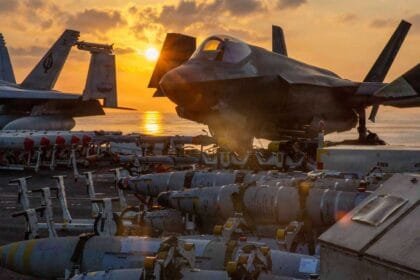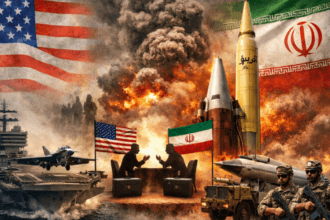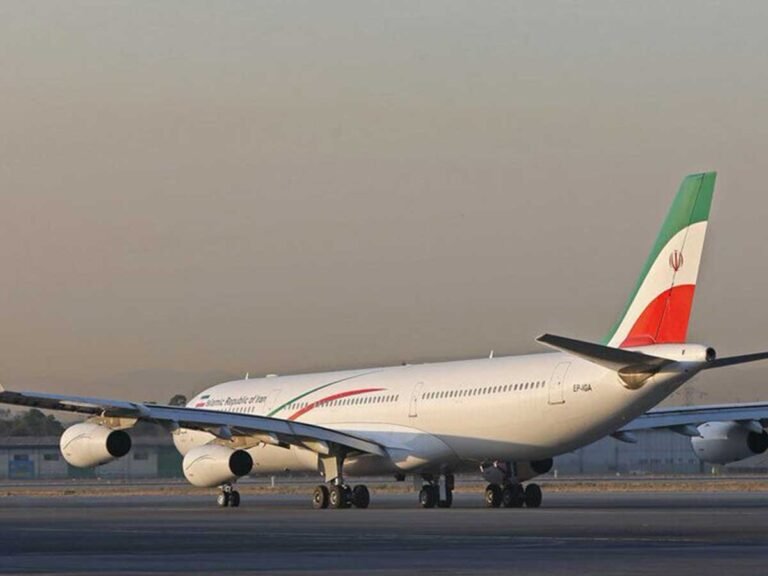
Tehran, Iran – In a move reflecting heightened military alert and security concerns, Iran’s Civil Aviation Organization announced in an urgent official statement the temporary and complete closure of airspace over the country’s western regions. This extraordinary measure comes amid persistent reports and intelligence indicating US military preparations for a new round of strikes against targets inside Iran. This occurs at a time when the region teeters between the options of open confrontation and intensive diplomatic efforts seeking a settlement to avert a full-blown war.
Air traffic restrictions and freeze on permits
Based on a Notice to Airmen (NOTAM) issued by the Civil Aviation Organization, all permits for commercial and civilian passenger flights have been canceled at all airports located within the western part of the Tehran Flight Information Region. Currently, Iranian authorities have imposed strict restrictions on air traffic throughout the country, allowing operations at only eight major airports. These include Mehrabad Airport and Imam Khomeini International Airport in Tehran, as well as the airports in Isfahan and Yazd.
Strict security measures for operation
The organization revealed a strict security protocol for managing the limited number of flights permitted to operate. These airports will operate only during daylight hours, from sunrise to sunset.
Local and international airlines are required to obtain separate, detailed prior authorization from the Civil Aviation Authority for each individual flight. This measure aims to monitor air traffic in real time and ensure safe corridors away from potential conflict zones.
These developments on the ground come amid heightened anticipation of the regional landscape, as the world watches with great concern the security repercussions of a potential large-scale military confrontation. Meanwhile, informed sources confirm that continued diplomatic efforts face complex challenges given each side’s adherence to its strategic positions. This makes civil aviation one of the first casualties of the escalating geopolitical tensions in the Middle East.